12-3-30 Workout: How to Fit This Treadmill Routine Into Real Life
By:Author:GLP Diet Editorial
Updated on:October 17, 2026
- What a Week of 12-3-30 Actually Looks Like
- How Often You Should Actually Do 12-3-30
- Why the Treadmill Incline Beats Running Sprints
- Squeezing 12-3-30 Into a Packed Schedule
- Who 12-3-30 Suits and Who Should Adjust It
- When 12-3-30 Starts to Feel Easier
- Supporting Your 12-3-30 Routine With GLP Diet
- Making 12-3-30 Part of Your Normal Week
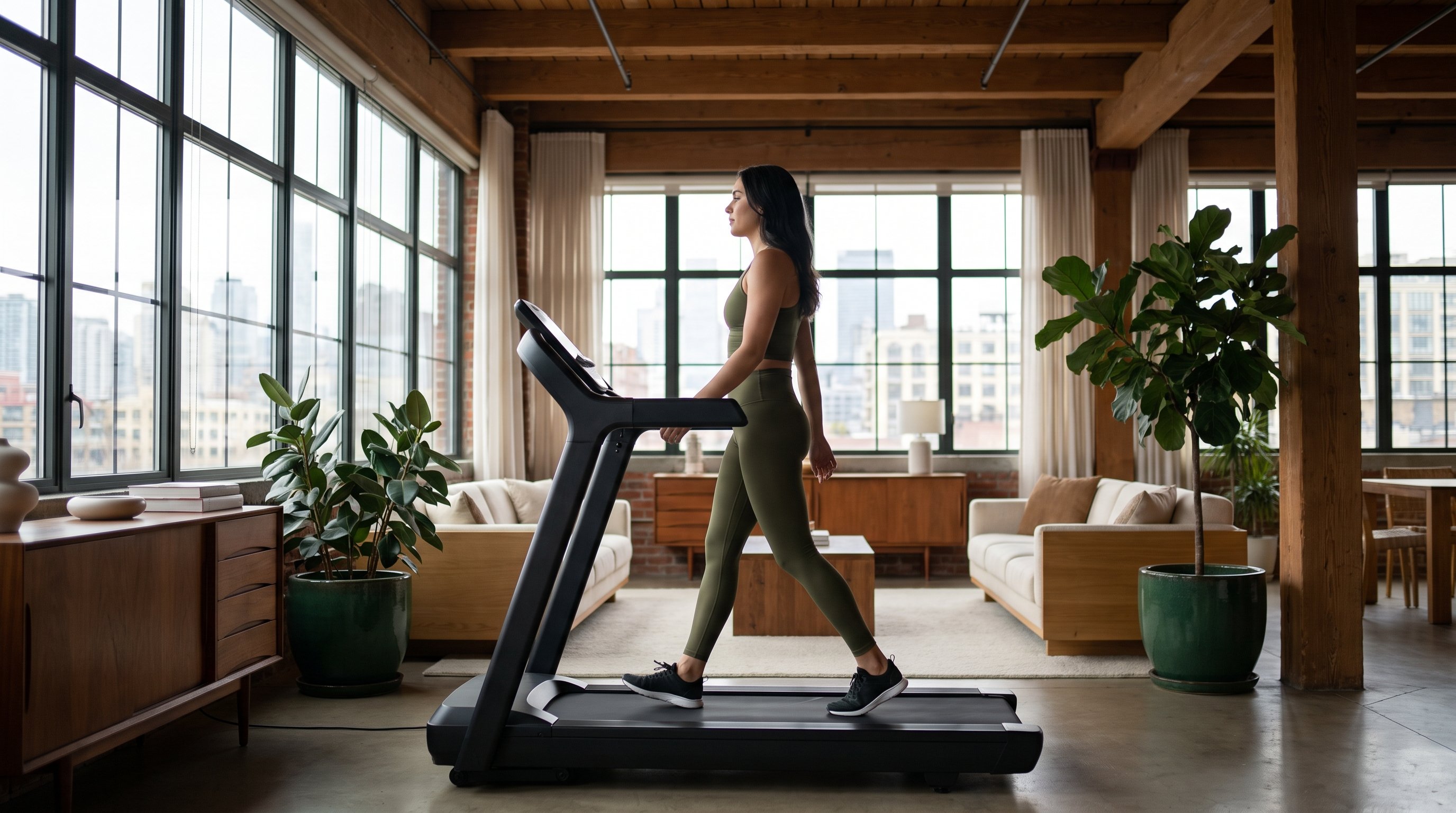
The 12-3-30 workout is a treadmill routine that combines an incline, a steady walking pace, and time. That's the whole routine - no extra equipment, no complicated intervals, just incline and time.
The incline is doing most of the work here. Walking uphill asks more of your legs and lungs than flat walking does, so you get a harder session at a pace that still feels manageable and doesn't beat up your joints.
This guide covers what a week of 12-3-30 looks like, how often to do it, why it tends to stick better than harder cardio, and how to fit it around a real schedule.
What a Week of 12-3-30 Actually Looks Like
You don't need a complicated plan to start. Here's a simple weekly layout you can copy and adjust around your own schedule.
A Sample Week
- Monday - 30 minutes at incline, steady pace
- Tuesday - rest or a short gentle walk
- Wednesday - 30 minutes at incline, steady pace
- Thursday - rest or light stretching
- Friday - 30 minutes at incline, steady pace
- Weekend - one more session if you want it, otherwise rest
That's three sessions a week to start, with rest days built in on purpose. If the steady pace feels too fast at that incline, you can adjust it slightly and build up as your legs adapt.
How Often You Should Actually Do 12-3-30
Starting Frequency
Three sessions a week is a sensible starting point for most people new to this routine. It gives your legs recovery time while still building a habit.
Some people build up to doing it most days once their legs and cardiovascular system adjust to the incline work. There's no fixed rule - the table below shows how this might progress over time.
| Stage | Frequency | Focus |
|---|---|---|
| Weeks 1-2 | 2-3 sessions weekly | Getting used to incline |
| Weeks 3-4 | 3-4 sessions weekly | Building consistency |
| Weeks 5-8 | 4-5 sessions weekly | Settling into a rhythm |
| Ongoing | As fits your week | Maintaining the habit |
Why the Treadmill Incline Beats Running Sprints
Compare incline walking to something like interval sprints on the same treadmill. Sprints burn more energy per minute, but they also demand more recovery, carry a higher risk of niggling injuries, and are harder to talk yourself into on a tired evening.
A steady incline walk doesn't ask for that kind of willpower. You can watch something, listen to a podcast, or just zone out, and 30 minutes passes without the dread that comes before a sprint session.
The routine that gets repeated beats the routine that gets skipped. A moderate incline walk you'll actually do three or four times a week outperforms a punishing sprint workout you dread and quietly stop doing.
Squeezing 12-3-30 Into a Packed Schedule
Thirty minutes is short enough to attach to something you already do - before work, during a lunch break, or while catching up on a show in the evening. The fixed format also means no planning each time; you set the incline and go.
Treating it as a walk rather than a workout session can help it feel less like a chore. Keeping steps, water and weight in one place can make it easier to see how a treadmill session on top of your normal day adds up over a week.
A meal plan built around food you already like matters here too, since the walk alone isn't doing the job of a wider routine - what you eat the rest of the day plays a bigger role in any deficit than one session on a treadmill.
Who 12-3-30 Suits and Who Should Adjust It
If You're New to Exercise
Start with a lower incline and build up gradually over a few weeks. The routine works at gentler settings while you adjust.
If You're Short on Time
Three sessions a week of 30 minutes each is less than two hours total, which fits around most schedules. Splitting it into shorter sessions isn't the same workout, but an incline walk on a busy day still counts as movement.
If You're Older or Managing Joint Concerns
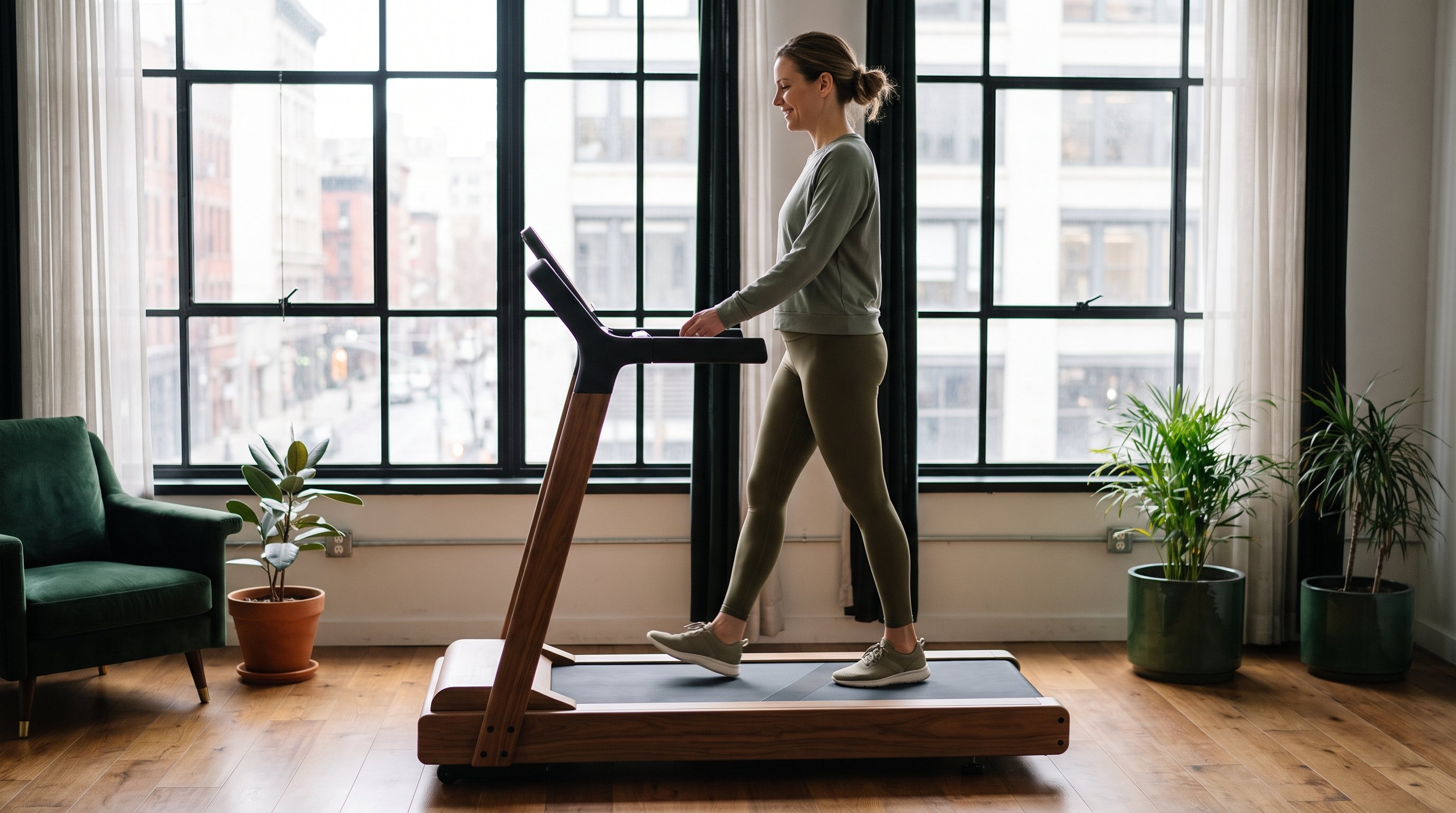
Incline walking is lower impact than running, since one foot is always in contact with the belt. Lowering the incline or the speed, or shortening the session, keeps the same format while reducing strain.
If You're Already Active
12-3-30 can sit alongside strength training or other cardio as a steady-state addition. Using it on rest days from harder training keeps the legs moving without adding real fatigue.
When 12-3-30 Starts to Feel Easier
The first couple of weeks are usually the hardest, when the incline feels unfamiliar and 30 minutes can drag. This is also where most people quit - not because the routine doesn't work, but because it hasn't become automatic yet.
Give it time rather than watching for a specific result by a specific date. Once it's part of the weekly rhythm, the incline stops feeling like a challenge and starts feeling like the default setting.
Supporting Your 12-3-30 Routine With GLP Diet
A treadmill session is one part of a bigger picture, and the rest of your day still shapes the result. Food, hydration and sleep all sit alongside any walking routine, which is where a wider plan helps.
GLP Diet brings together a tailored-for-you meal plan, light exercise sessions, and trackers for steps, water and weight, so a habit like 12-3-30 fits into something bigger rather than standing alone. It's built to be medication friendly too, so it works alongside however you're already managing your weight.
Control Your Appetite
Smarter Weight Loss Plan
Making 12-3-30 Part of Your Normal Week
The simplest way to start is to pick three days this week and put them in your calendar now, before the plan has a chance to slip. Set the treadmill to an incline, a steady pace, and walk for 30 minutes - adjust the settings if you need to, but keep the time slot.
GLP Diet can sit alongside that habit, keeping your meals and your progress tracking in one place so the walk isn't working in isolation.
FAQ
Walking at an incline burns more energy than flat walking at the same speed, and doing it consistently adds up over weeks. It works best as one part of a wider routine that includes what you eat, not as a stand-alone fix.
The incline changes the demand on your body compared to a flat walk at the same pace. It's gentler than running, but it's not the same as a casual stroll.
Use the highest incline available and keep the speed and time the same. The principle - a steep incline sustained for 30 minutes - matters more than hitting the exact number.
The early sessions can feel harder than expected, and without a fixed slot in the week it's easy to let it slide. Pairing the habit with a wider plan, like the tracking and meal structure in GLP Diet, can make it easier to keep going past that first stretch.
Share this post