Beginner Home Workout: A Practical Starting Guide
By:Author:GLP Diet Editorial
Updated on:October 17, 2026
- The Myth That You Need Equipment to See Change
- How Bodyweight Training Actually Builds Fitness
- What Changes the Result in Your Training
- A Weekly Routine You Can Copy
- Fitting Training Around a Full Week
- When Your Routine Starts to Feel Normal
- Common Mistakes That Stall Progress
- Making Your Routine Stick With GLP Diet
- Keeping Your Routine Going Past the First Month
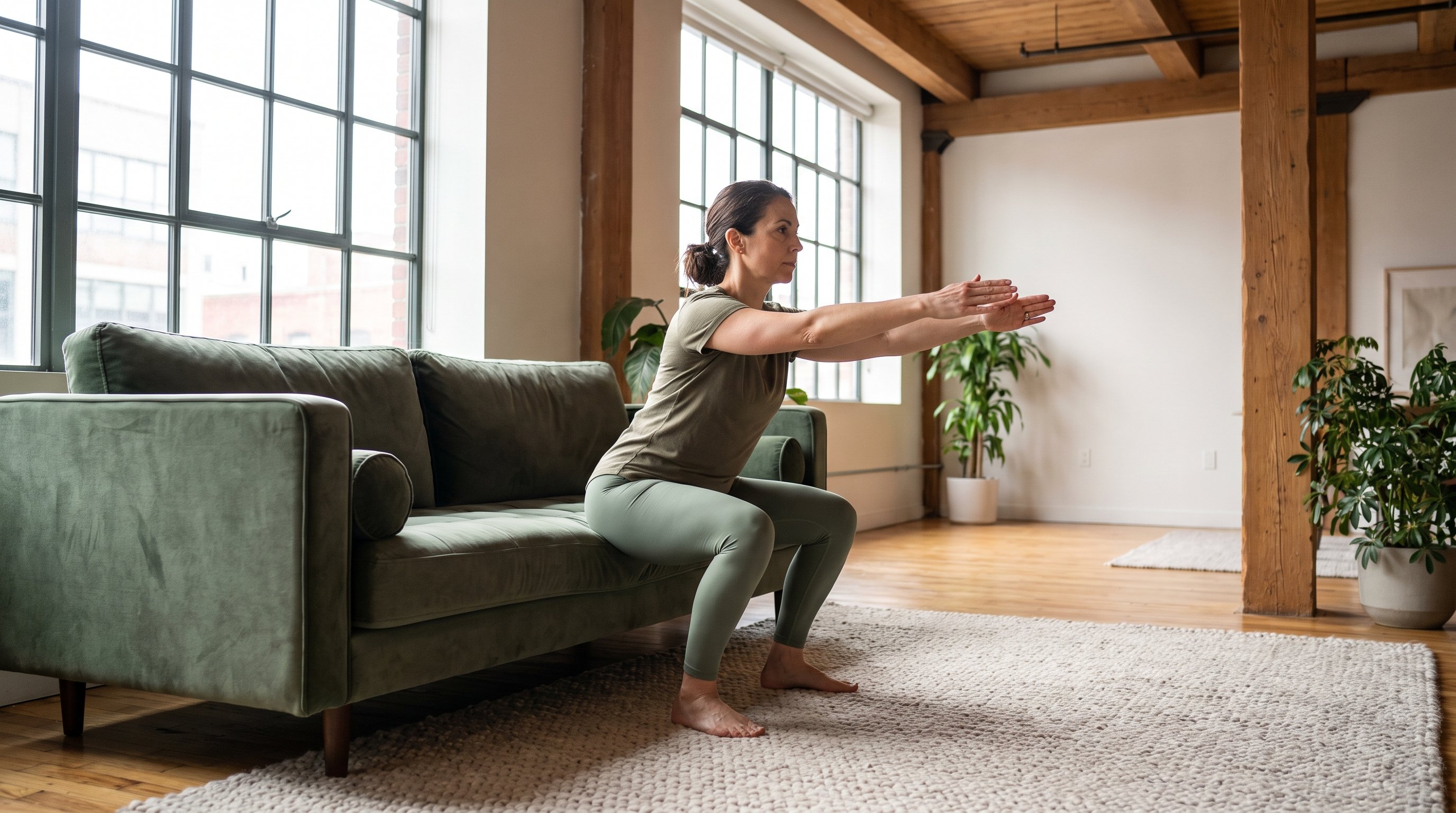
A beginner home workout works best when it's short, uses your own bodyweight, and happens on a schedule you can actually keep - no equipment, no gym membership, no excuses about travel time.
The mechanism is simple: muscles respond to being asked to work harder than usual, and that can happen just as well with squats and push-ups on a rug as it can with machines.
This guide covers what training at home can realistically do, how to structure one, a week you can copy, and the mistakes that usually end the habit before it sticks.
The Myth That You Need Equipment to See Change
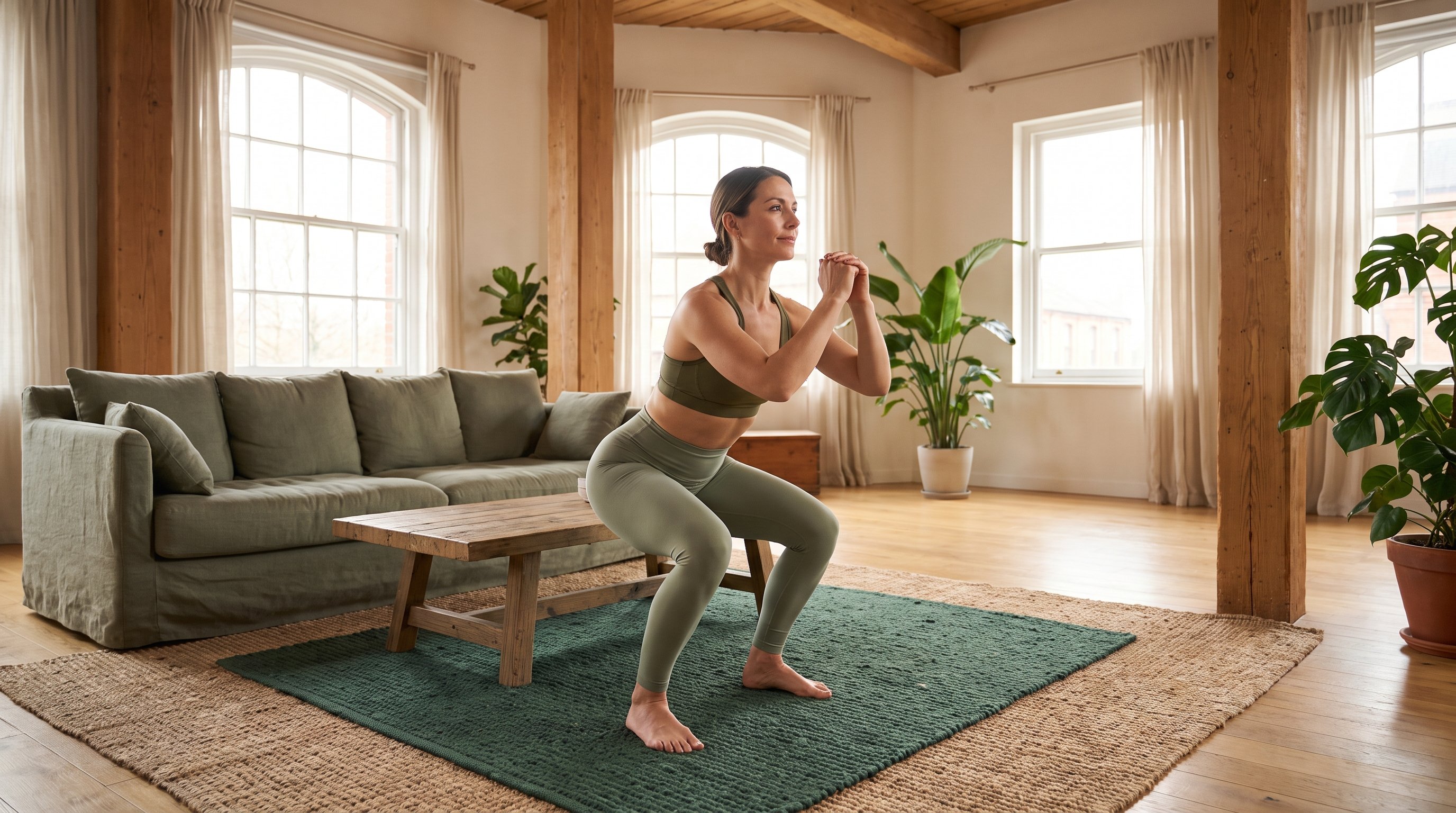
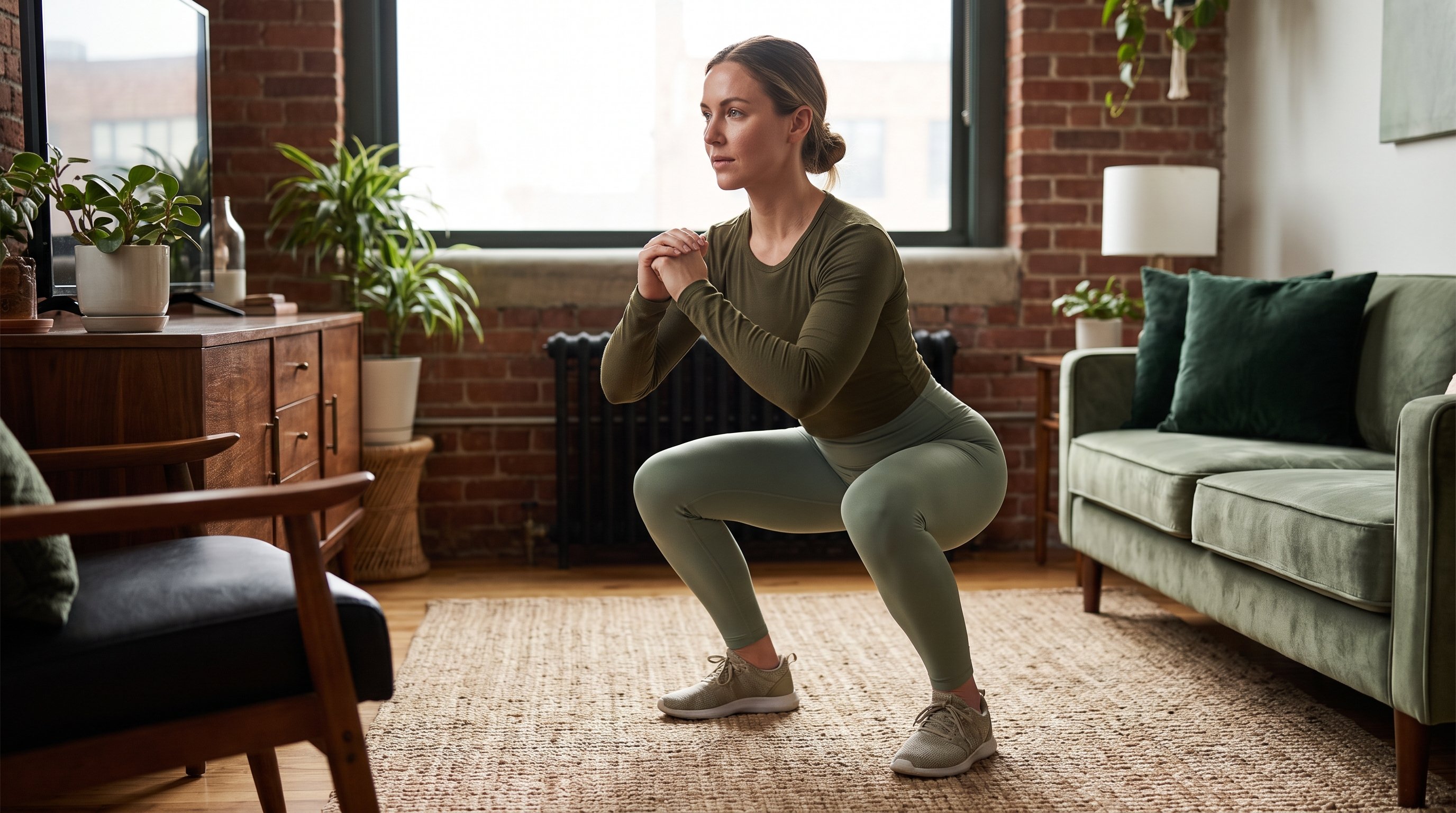
No, you don't need dumbbells, a squat rack or a spare room to get started. Bodyweight movements like squats, lunges, push-ups and planks create enough resistance for a beginner's muscles to adapt to.
The idea that you need a gym's worth of kit is one of the biggest reasons people delay starting at all.
The honest answer is that consistency with simple movements beats an expensive setup that gets used twice and then sits in a corner.
How Bodyweight Training Actually Builds Fitness
Two things happen when you train consistently with bodyweight movements: your muscles adapt to repeated effort, and your body gets better at the specific patterns you repeat.
Progressive Load Without Weights
You can make a squat or push-up harder by slowing it down, adding more reps, or reducing rest between sets, which gives your body a reason to keep adapting even without added weight.
Movement Patterns Over Isolated Muscles
Home workouts tend to use compound patterns - squatting, pushing, pulling, bracing - that train several muscle groups together, which is efficient when you only have 20 or 30 minutes.
Neither of these needs a gym. They need a bit of floor space and a willingness to repeat the same handful of moves often enough for them to matter.
What Changes the Result in Your Training
Three things decide whether training at home actually changes anything over time, more than which exact exercises you pick.
The Three Biggest Levers
- Consistency - three short sessions a week, kept up for weeks, beats one long session you only manage occasionally.
- Gradual increase - adding a few reps or a few extra seconds of hold each week keeps your body adapting instead of plateauing.
- Recovery - a day off between sessions for the same muscle group lets the adaptation actually happen, rather than just adding fatigue.
Get those three right and the specific exercise list matters a lot less than most people assume.
A Weekly Routine You Can Copy
Here's a simple weekly structure that spreads effort across the body and leaves recovery days in between.
| Day | Focus | Example |
|---|---|---|
| Monday | Full body basics | Squats, push-ups, plank |
| Tuesday | Rest or walk | Light movement only |
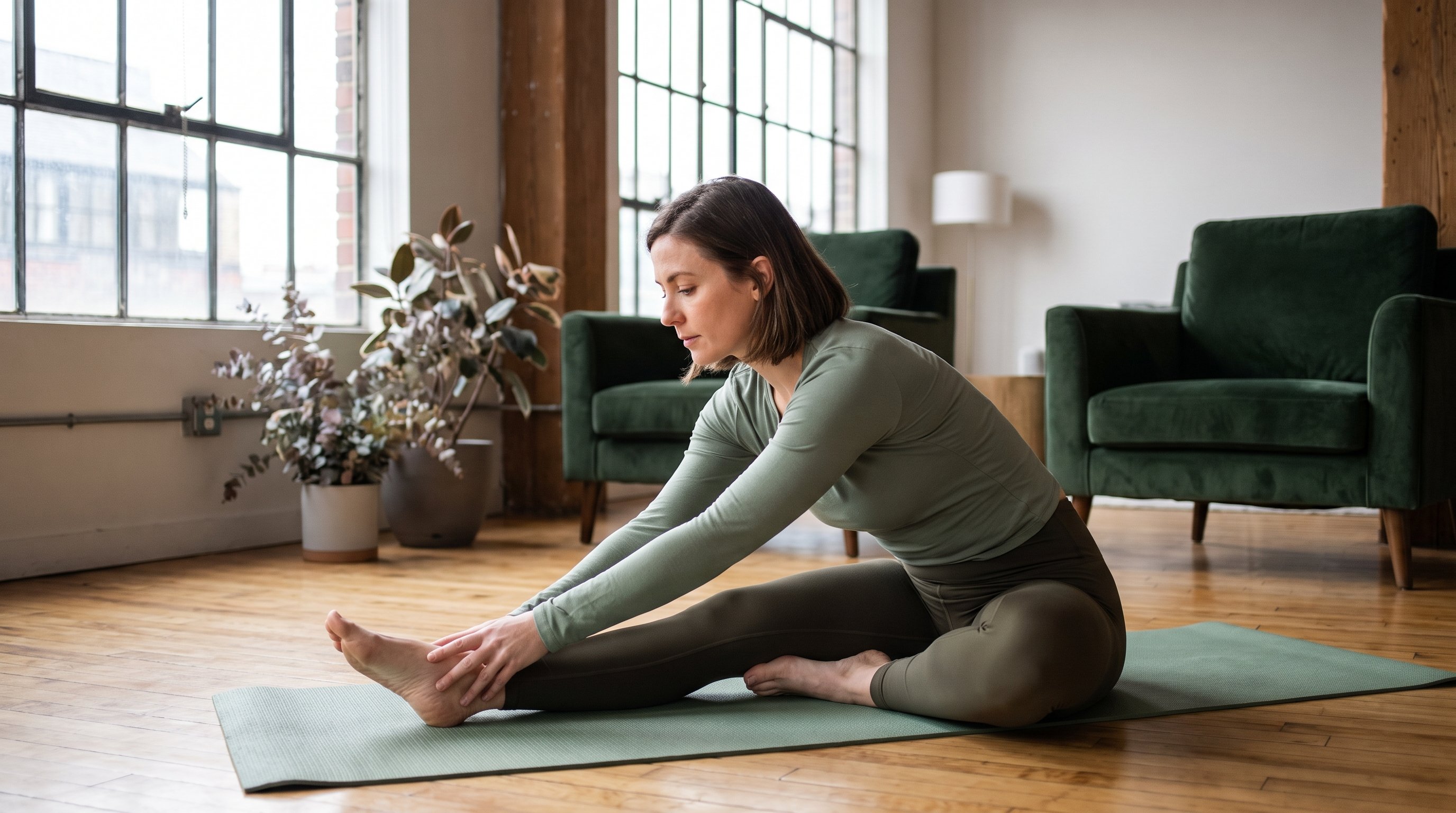
| Wednesday | Lower body | Lunges, glute bridges, calf raises |
| Thursday | Rest or walk | Light movement only |
| Friday | Upper body and core | Push-ups, rows, sit-ups |
| Weekend | Optional light session | Repeat any day above |
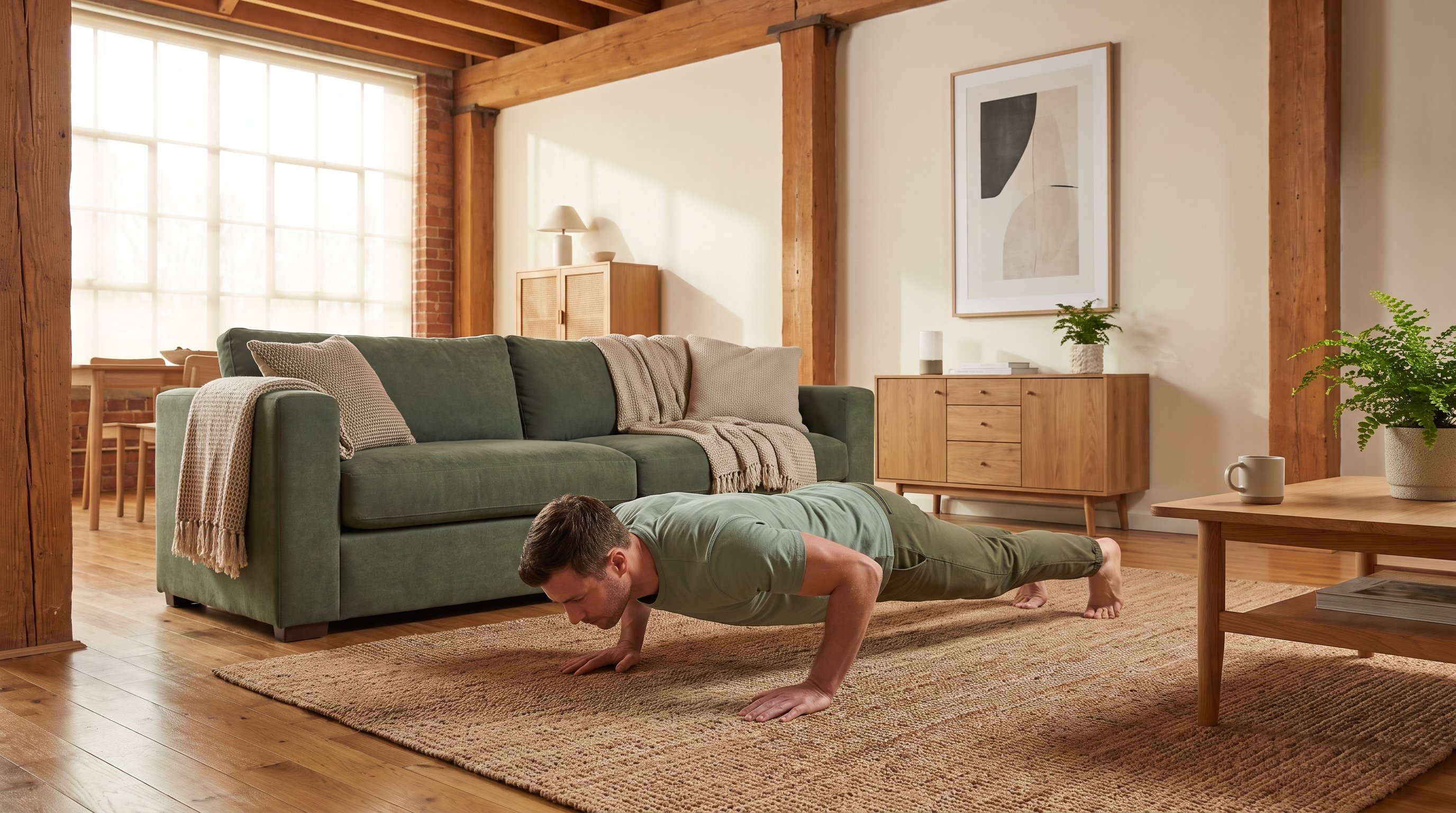
Three focused sessions a week, each under 30 minutes, is enough structure to build a habit without burning out in the first fortnight.
Fitting Training Around a Full Week
Most people don't quit training at home because the exercises are wrong - they quit because it never found a fixed slot in the day.
Picking the same time each session, even if it's just before breakfast or straight after work, turns the workout into a default rather than a decision you have to remake every day.
This is where GLP Diet's light exercise sessions can help, since the guided low-impact routines are built to fit into short windows without needing any equipment or planning on your part.
When Your Routine Starts to Feel Normal
The first couple of weeks of training usually feel like effort - sore muscles, a bit of awkwardness with the movements, and the temptation to skip a session.
That's the point where most people quit, right before the exercises start to feel familiar instead of foreign.
There's no fixed point where it suddenly clicks, but sticking with three sessions a week for a stretch of weeks is usually what it takes for the routine to feel automatic rather than forced.
Common Mistakes That Stall Progress
Starting With a Routine That's Too Long.
An hour-long session on day one is a fast route to quitting by day three - keep early sessions to 15 or 20 minutes and build up from there.
Training the Same Muscles Every Single Day.
Skipping rest days doesn't speed up progress, it just adds fatigue - alternate focus areas so each muscle group gets a day or two to recover.
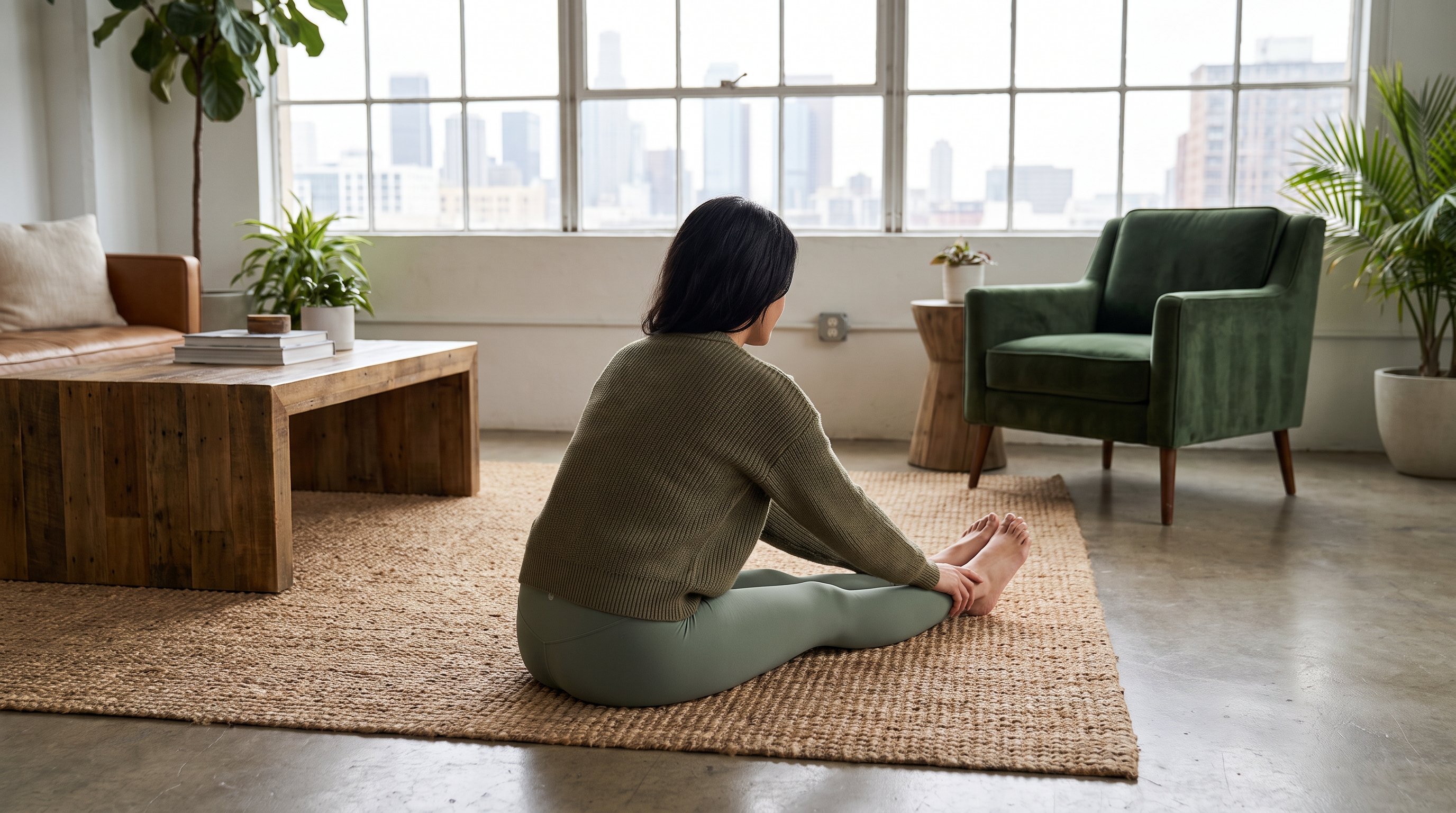
Chasing Sweat Instead of Form.
Rushing through squats or push-ups to feel tired faster raises the chance of strain - slow the movement down and focus on doing it properly.
Never Changing Anything Week to Week.
Doing the exact same ten reps for months gives your body nothing new to adapt to - add a rep, a round, or a few seconds of hold every week or two.
Making Your Routine Stick With GLP Diet
A workout only works if it happens again next week, and next week after that - the exercises themselves are the easy part.
GLP Diet brings light exercise sessions, a step and water tracker, and a tailored meal plan into one place, so the workout side of things doesn't live separately from everything else you're trying to keep consistent.
Pair that with the lifestyle challenges built into the app, and your routine has more to lean on than willpower alone on the days motivation is low.
Control Your Appetite
Smarter Weight Loss Plan
Keeping Your Routine Going Past the First Month
The best training plan is the one that's still happening in two months, not the one that looked impressive on paper for the first week.
Pick three short sessions, put them on the calendar at a fixed time, and let GLP Diet's tracking tools keep the rest of the picture - food, water, steps - in view alongside it.
FAQ
Yes, bodyweight movements like squats and push-ups give your muscles enough resistance to adapt, especially when you're new to training. Progress comes from gradually adding reps or rounds, not from needing weights straight away.
A gym offers more variety and heavier resistance over time, but for a beginner, consistent bodyweight training at home still creates a real training effect. The bigger factor is whether the sessions actually happen, not where they happen.
Most routines only need enough floor space to lie down and stretch your arms out, so a small bedroom or living room corner is usually plenty. Equipment-free moves like squats, lunges and planks don't need a dedicated room.
That's normal and it's usually when people stop rather than push through, so having a fixed time slot and a simple plan matters more than motivation itself. GLP Diet's challenges and progress tracking are built to give you something to check in on when motivation alone isn't enough.
Share this post