Exercises for Longevity: How to Build a Routine That Fits You
By:Author:GLP Diet Editorial
Updated on:October 17, 2026
- What a Week of Longevity-Focused Training Looks Like
- How Often Longevity Training Actually Needs to Happen
- Why Light Consistent Training Beats High-Intensity Burnout
- Fitting Longevity Exercises Around a Packed Week
- Adapting Longevity Training to Where You Are Now
- Where Longevity Routines Tend to Fall Apart
- Building Exercises for Longevity Into GLP Diet
- Keeping Longevity Exercises Part of Your Normal Week
Exercises for longevity are not a special category of movement. They are the same strength, walking and mobility work people already do, just chosen consistently and kept up for years instead of weeks.
The mechanism is simple: muscle, balance and joint capacity decline without use, and regular movement keeps those systems working closer to where they started. There is no single move that adds years by itself - the benefit comes from doing enough, often enough, for long enough.
This guide covers what a realistic week looks like, how much movement actually counts, why easier routines tend to outlast harder ones, and how to adapt the approach to your own week and stage of life.
What a Week of Longevity-Focused Training Looks Like
A workable week mixes strength, steady cardio and mobility rather than leaning on one type of session every day.
A Sample Weekly Split
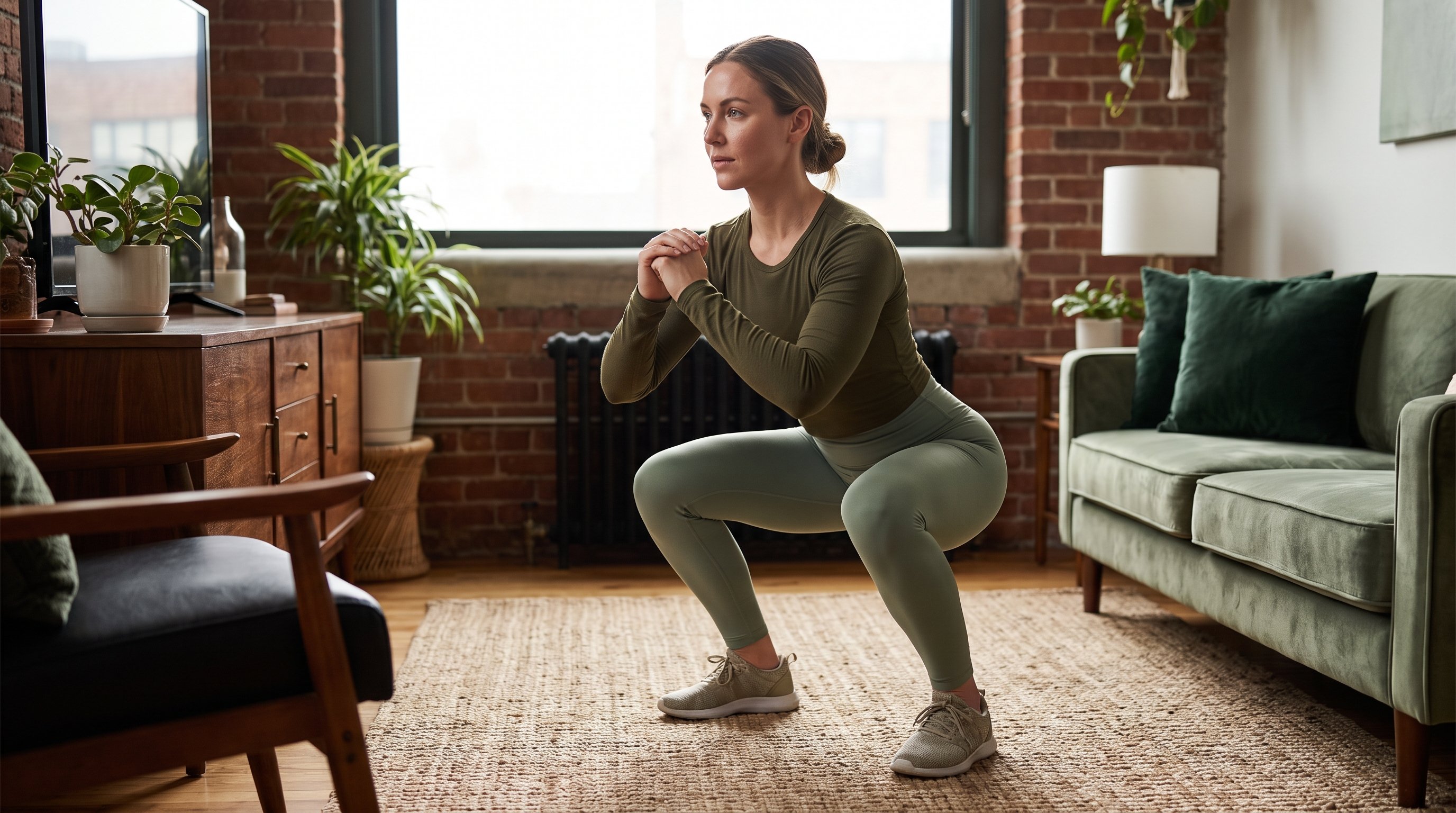
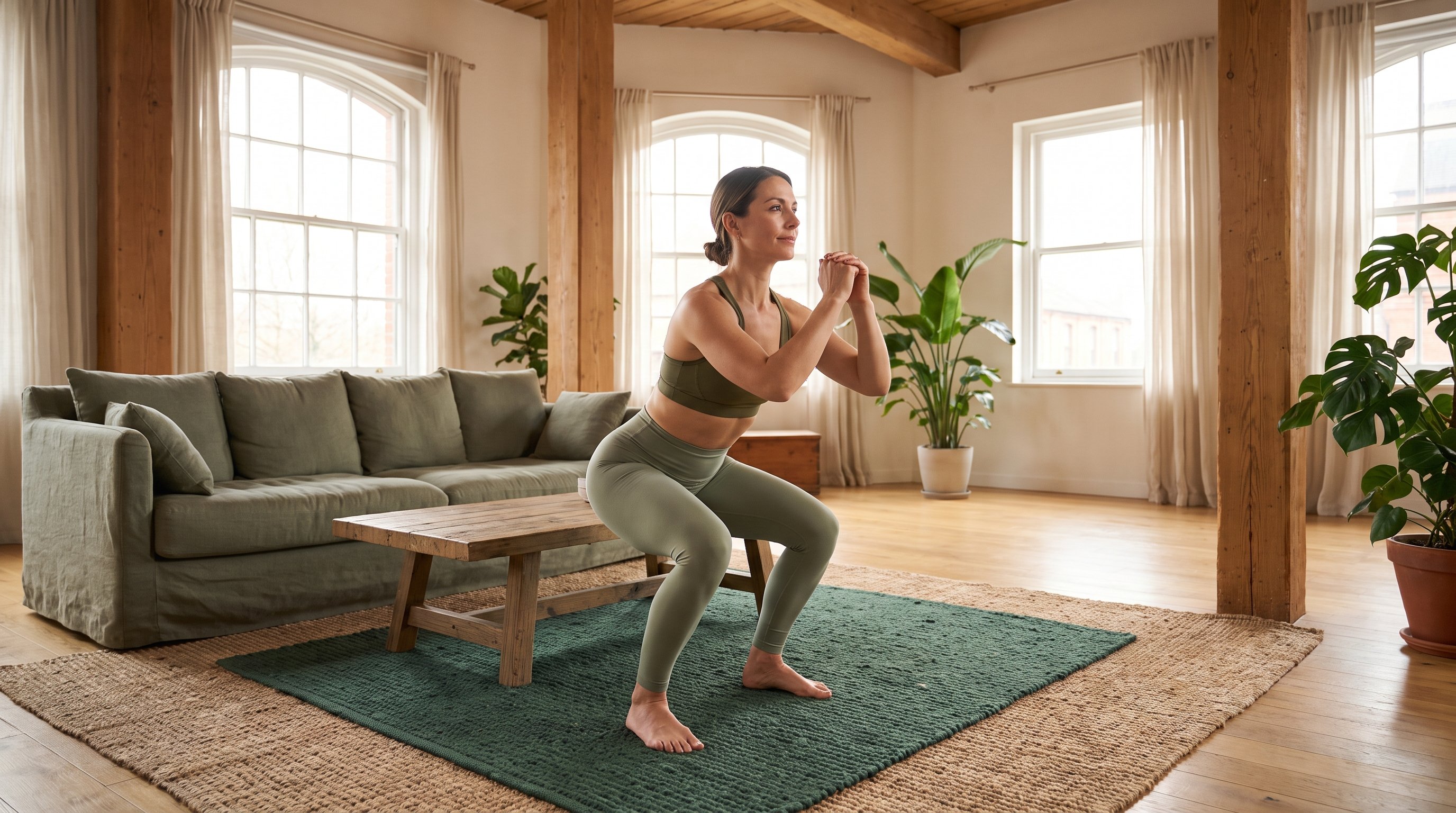
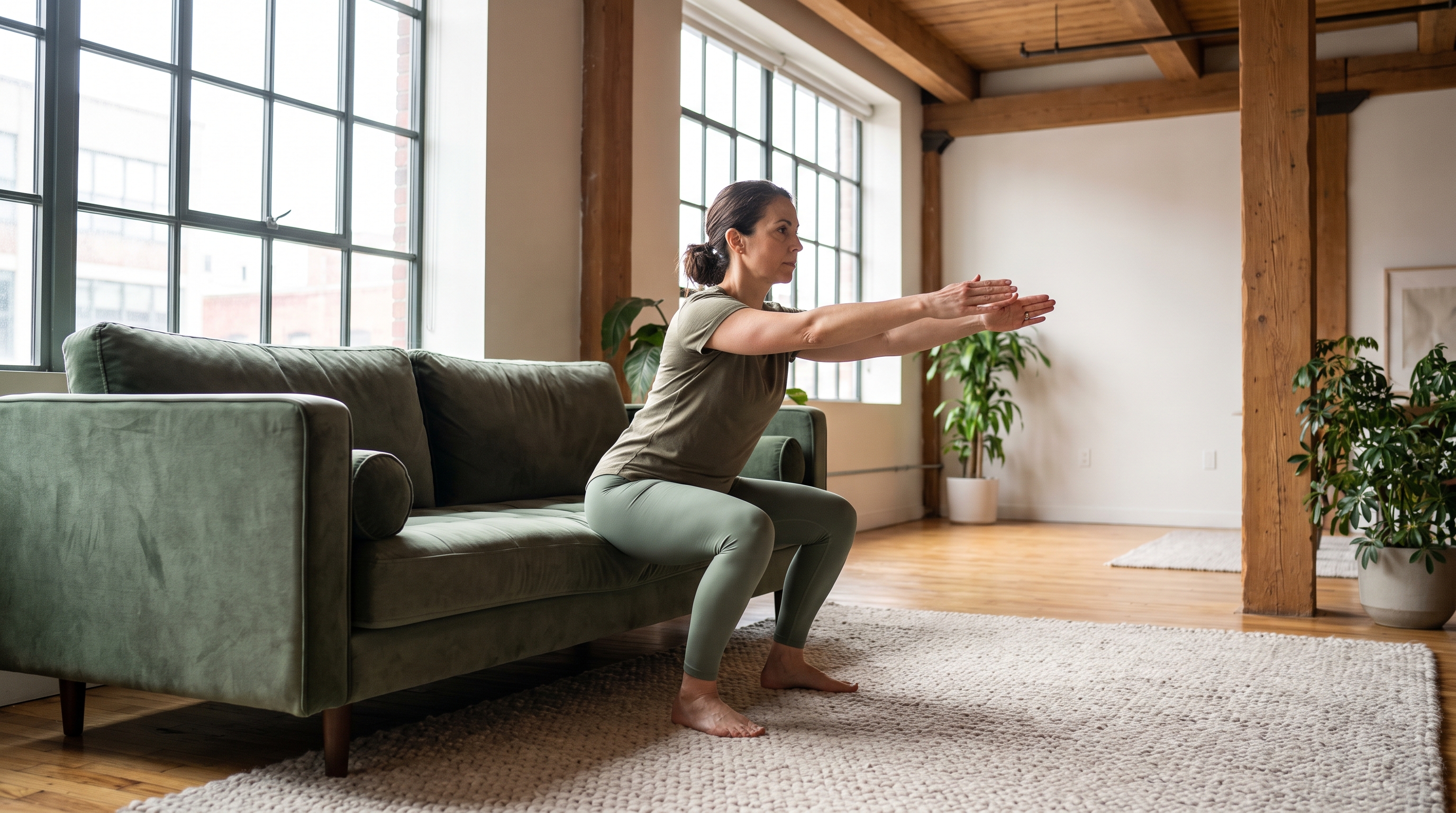
- Monday - bodyweight strength: squats, push-ups, rows using a resistance band
- Tuesday - 30 to 40 minute brisk walk
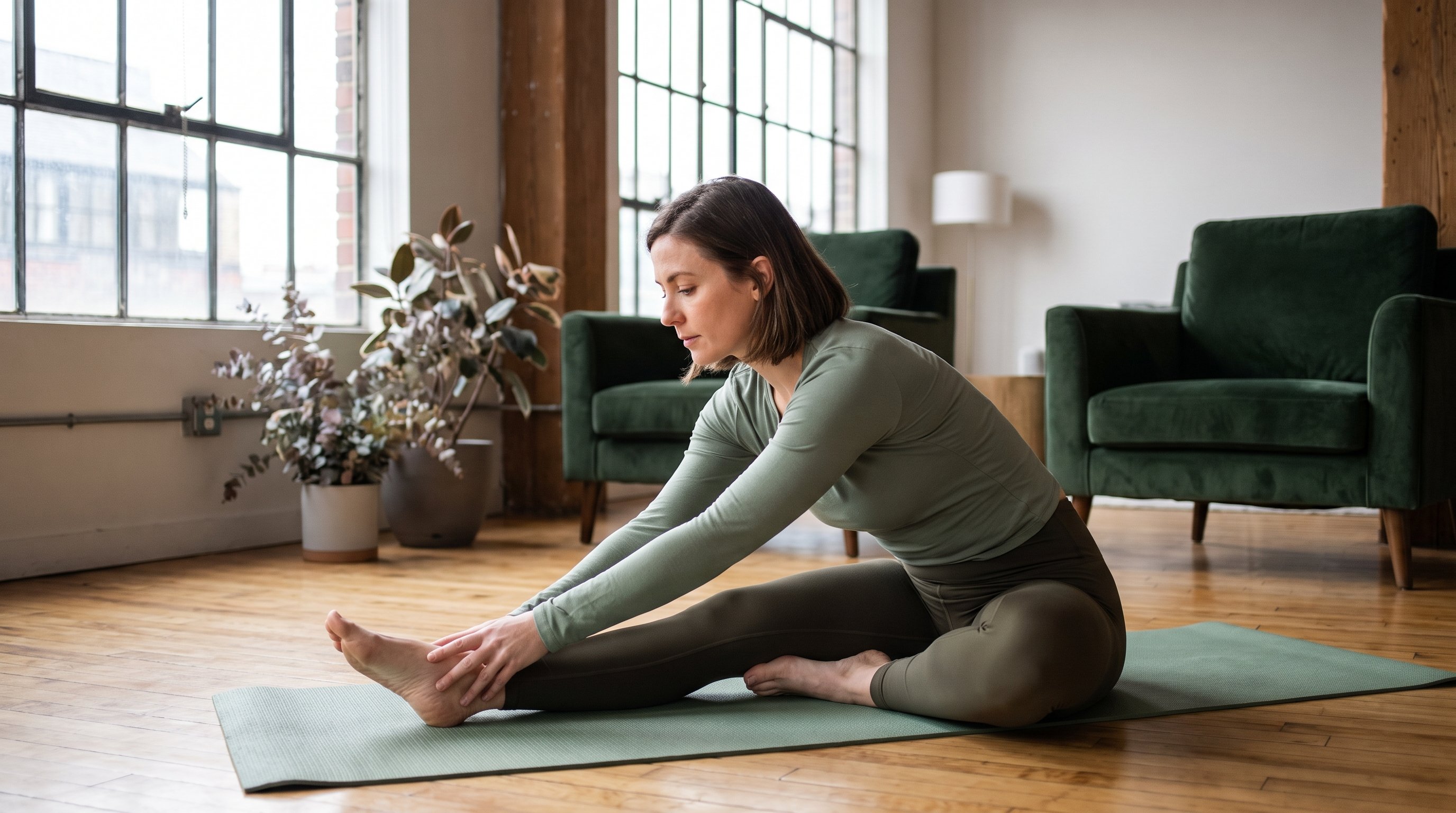
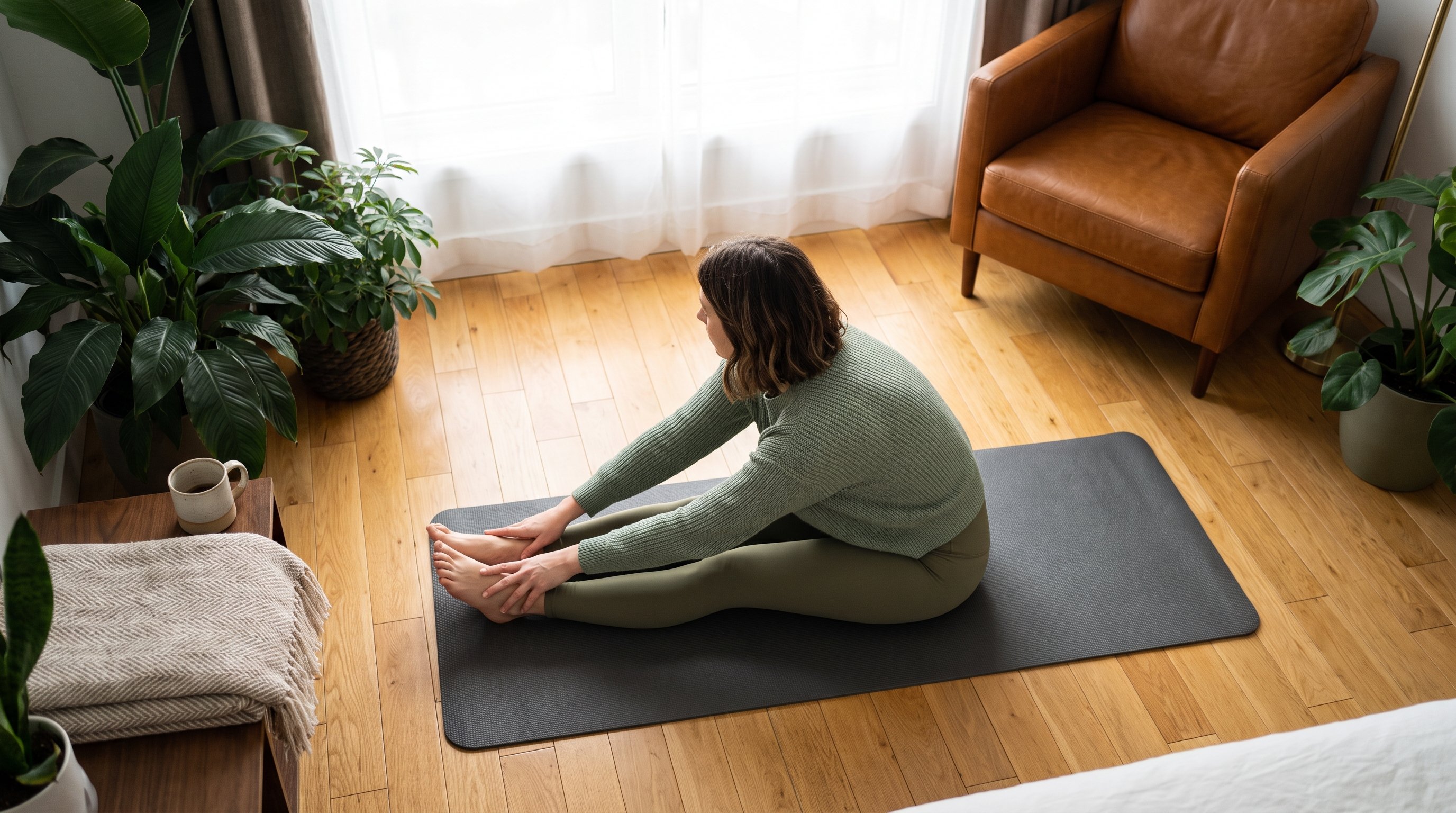
- Wednesday - mobility and balance: stretching, single-leg stands, gentle yoga
- Thursday - bodyweight strength, same pattern as Monday
- Friday - rest or light walking
- Saturday - longer walk or a low-impact activity such as swimming or cycling
- Sunday - full rest
Nothing on that list needs a gym membership or special kit, which is part of why it is realistic to repeat week after week.
How Often Longevity Training Actually Needs to Happen
Matching Frequency to the Goal
Strength work twice a week is enough to keep working major muscle groups without turning training into a second job. Walking most days keeps cardiovascular and joint systems active without adding strain.
| Type | Frequency | Example |
|---|---|---|
| Strength training | 2 to 3 times weekly | Squats, rows, push-ups |
| Walking | Most days | 20 to 40 minute brisk walk |
| Mobility work | 2 to 3 times weekly | Stretching, balance holds |
| Low-impact cardio | 1 to 2 times weekly | Swimming, cycling |
| Full rest | 1 to 2 days weekly | No structured exercise |
None of these numbers are fixed rules - they are a starting point you can adjust once you know how your week actually feels.
Why Light Consistent Training Beats High-Intensity Burnout
Picture two routines: a punishing daily HIIT circuit versus a steady mix of walking, light strength work and stretching done most days.
The HIIT circuit burns more in a single session, but it is also the one people quietly stop doing after a stressful week or a sore knee. The steadier routine asks less of you on any given day, which is exactly why it is still happening a year later.
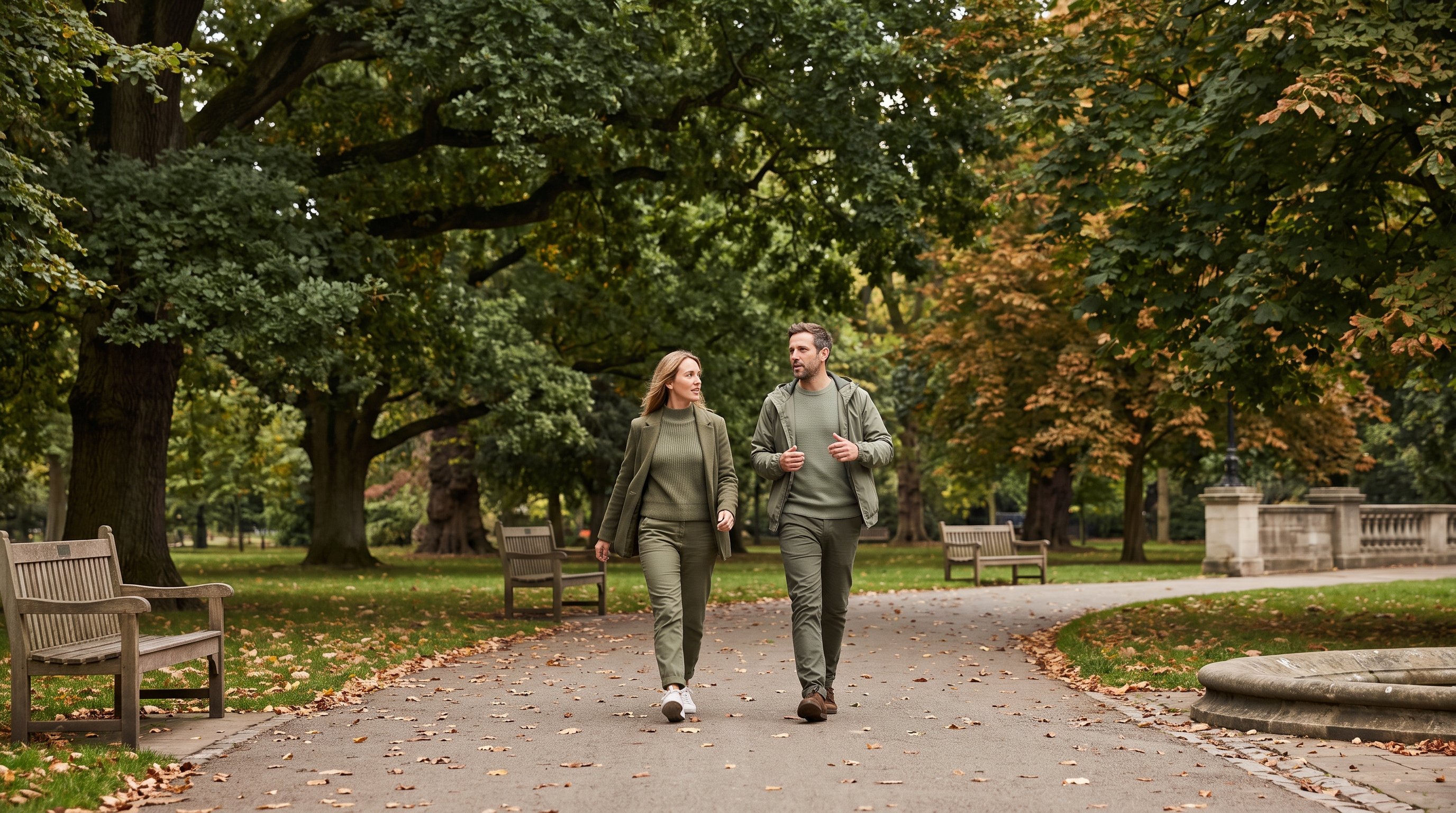
Longevity is a long game by definition, so the version of training you will actually repeat matters more than the version that looks more impressive on paper.
Fitting Longevity Exercises Around a Packed Week
Most weeks do not have room for an hour-long gym session every day, and they do not need to.
Ten minutes of bodyweight strength work before breakfast, a walk during a lunch break, and a few minutes of stretching before bed add up without ever needing a dedicated hour.
Keeping steps, water intake and weight in one place makes it easier to see that these small sessions are actually happening, rather than relying on memory at the end of a busy week.
GLP Diet's light exercise sessions are built around exactly this kind of low-impact, guided movement, so there is a ready-made option for the days when planning your own routine feels like one task too many.
Adapting Longevity Training to Where You Are Now
Starting From Scratch
If structured exercise is new, start with walking and one short bodyweight session a week, then add from there. The goal in the first few weeks is simply showing up, not hitting a specific number of sessions.
Training Around a Full-Time Job
Short sessions stacked around existing routines, such as a walk after lunch or strength work before a shower, tend to survive a packed calendar better than a single long session that needs a gap to exist.
Training in Later Life
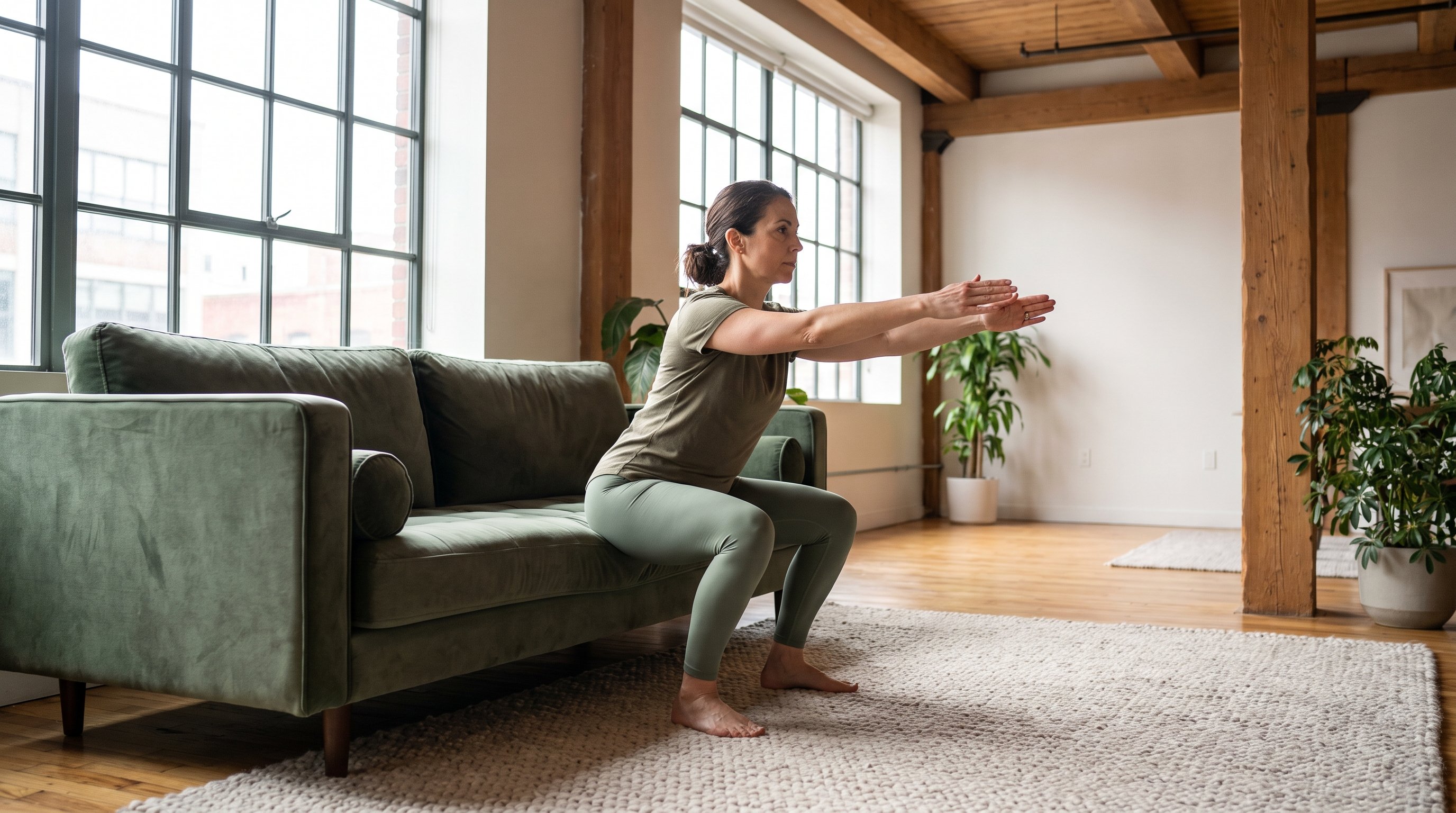
Balance and mobility work matter as much as strength here, since steady footing and joint range directly affect how independent daily movement feels. Lower-impact versions of the same exercises - a wall push-up instead of a floor push-up, a supported balance hold instead of an unsupported one - still count.
Returning After a Break
Dropping back in at the level you left off at is the fastest route to a setback, so restart at a lighter version of the old routine and build back up over a few weeks rather than one session.
Where Longevity Routines Tend to Fall Apart
The first couple of weeks of a new routine usually feel fine because novelty carries the motivation.
The drop-off point tends to arrive once the week stops being new and starts being ordinary, somewhere around the point the schedule gets genuinely busy again.
Expect that dip, plan for a lighter week rather than a missed week, and treat any stretch of inconsistency as information rather than a reason to stop altogether.
Building Exercises for Longevity Into GLP Diet
A longevity routine works best when it sits next to the rest of your habits instead of competing with them for attention.
GLP Diet brings light exercise sessions, progress tracking for steps, water and weight, and lifestyle challenges into one place, so a short strength session or a walk logs alongside everything else you are already keeping an eye on.
Its nutrition and health guides also cover workouts and healthy habits more broadly, which helps if you want context for why a particular routine makes sense rather than just a list of moves to follow.
Control Your Appetite
Smarter Weight Loss Plan
Keeping Longevity Exercises Part of Your Normal Week
Pick one small piece of this guide - two strength sessions, a daily walk, or a few minutes of stretching - and give it a fixed slot in your week starting now.
Small and repeated beats ambitious and abandoned, which is the whole argument for treating this as ordinary rather than special.
GLP Diet can sit underneath that routine, holding the tracking and the light exercise content so the habit has somewhere to live beyond a single motivated Monday.
FAQ
Keeping muscle, balance and joint range active through regular movement supports how capable your body stays over time. There is no single exercise that guarantees an outcome, but consistent movement is the mechanism that keeps these systems working.
Largely yes - the difference is intent, choosing strength, walking and mobility work and sticking with it for years rather than chasing a short-term look or result. The moves are familiar; the commitment to repeating them is what changes the outcome.
Lower-impact versions of the same exercises, such as supported balance holds or seated strength moves, still count and can be built up gradually. Starting smaller and progressing slowly tends to hold up better than pushing through discomfort.
Motivation fades once a new routine becomes ordinary, and life gets busy again right around that point. Keeping sessions short, tracking them with something like GLP Diet, and planning for lighter weeks rather than missed weeks makes it easier to keep going past that drop-off point.
Share this post