Best Protein Sources: Comparing Options That Actually Fit Your Life
By:Author:GLP Diet Editorial
Updated on:October 17, 2026
- What a Day Built Around Good Protein Choices Looks Like
- How Much Protein You Actually Need and How Often
- Why Food Variety Beats Chasing One Perfect Protein
- Making Protein Choices Work on a Normal Weekday
- Adjusting Protein Sources to Fit Where You're Starting From
- When Higher-Protein Eating Starts to Feel Normal
- Simplifying Protein Planning With GLP Diet
- Building a Protein Routine That Outlasts the First Month
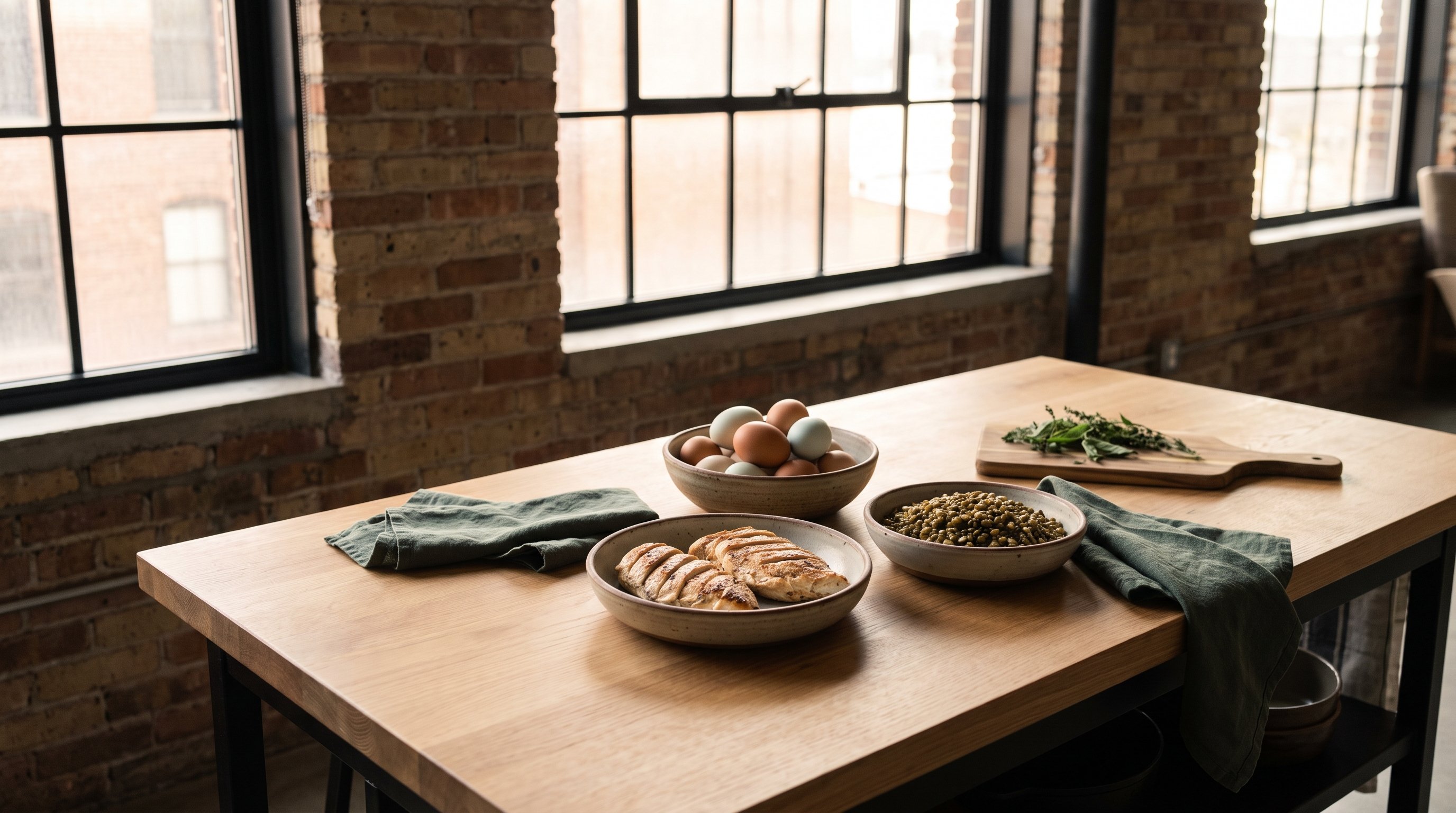
The best protein sources are the ones you'll actually eat again next week - eggs, poultry, fish, dairy, beans and lentils all count, and no single one does something the others can't.
Protein works by giving your body the building blocks for muscle and keeping you fuller for longer between meals, which makes it easier to hold a calorie deficit without feeling like you're white-knuckling through the day.
This guide walks through what a good day of protein eating looks like, how much you actually need, why variety beats a rigid list, and how to fit it into a week that's already full.
What a Day Built Around Good Protein Choices Looks Like
You don't need a single perfect protein source. You need a few reliable ones spread across the day so you're not trying to catch up at dinner.
A Sample Day
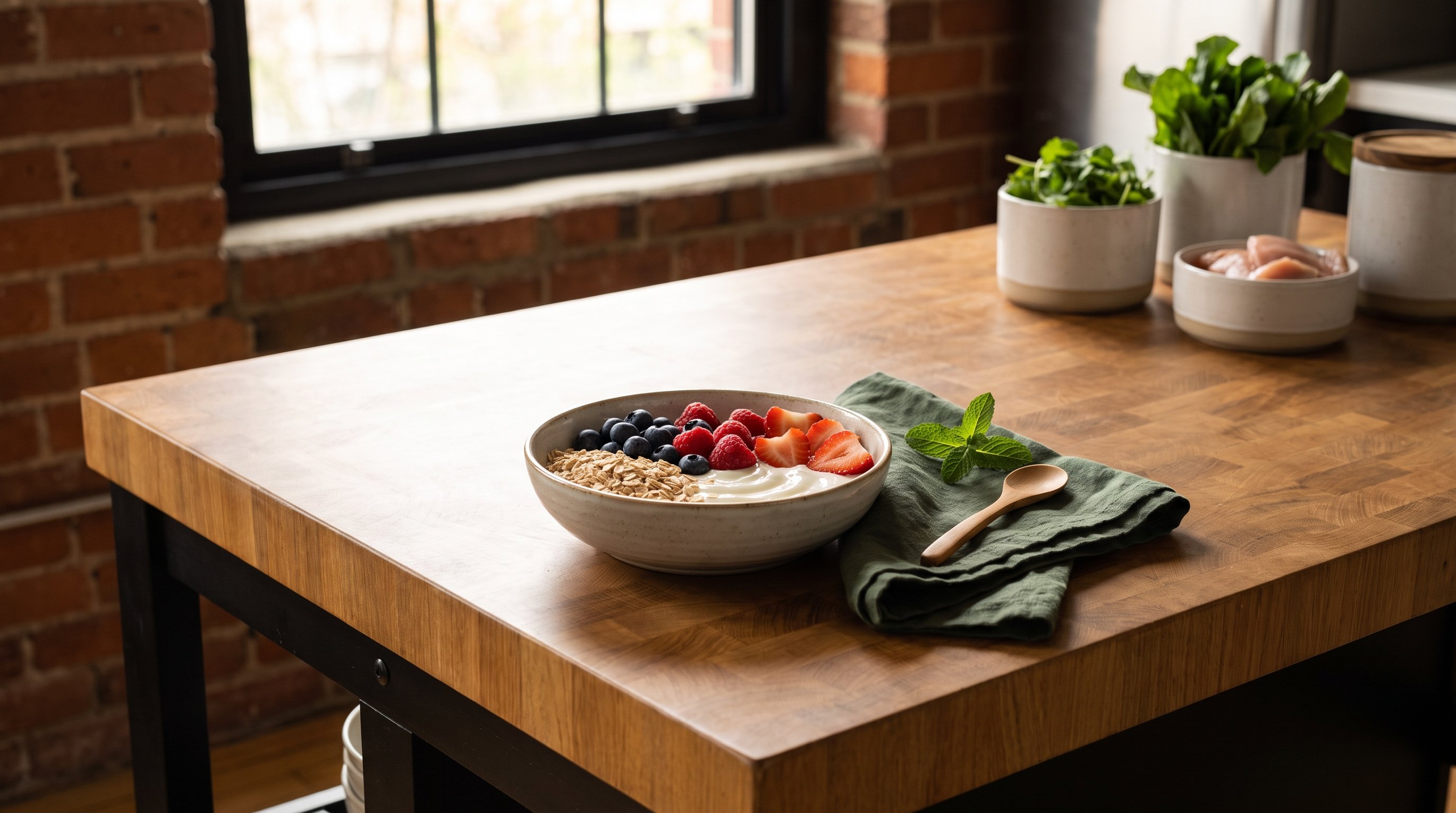
- Breakfast - eggs with a side of yoghurt or cottage cheese
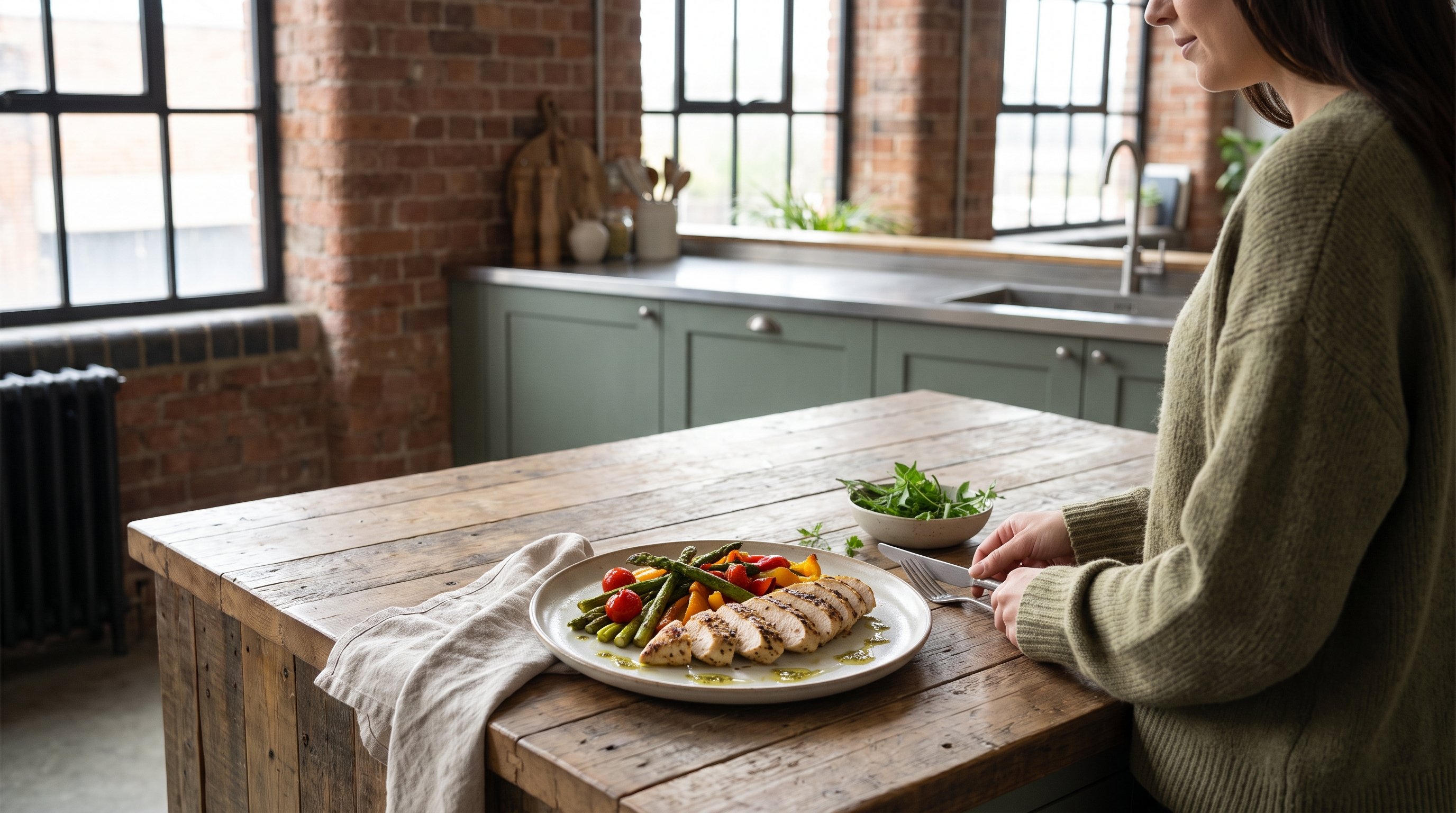
- Lunch - grilled chicken, tofu or a tin of beans over a big salad
- Snack - a handful of nuts with a piece of fruit, or a protein shake
- Dinner - fish, lean beef or lentils with vegetables and a grain
- Evening - a small serving of cheese or Greek yoghurt if you're still hungry
Notice there's no single hero ingredient here. It's spread out, which is exactly the point.
How Much Protein You Actually Need and How Often
Spreading It Across Meals Beats One Big Hit
Aiming for a serving of protein at each meal is more useful than trying to hit a number in one sitting, because your body can only use so much at once and spreading it out keeps hunger steadier through the day.
| Food | Protein | Notes |
|---|---|---|
| Eggs (2 large) | About 12g | Quick, versatile |
| Chicken breast (100g) | About 31g | Cooked, skinless |
| Greek yoghurt (170g) | About 17g | Good snack option |
| Lentils (1 cup cooked) | About 18g | Plant-based, high fibre |
| Salmon (100g) | About 22g | Also carries omega fats |
Mix and match from a table like this across three or four meals and the daily total adds up without any single food having to carry the whole day.
Why Food Variety Beats Chasing One Perfect Protein
Picking one "best" protein and eating it on repeat sounds efficient, but it's the fastest way to get bored and quietly stop bothering.
Rotating between chicken, fish, eggs, beans, dairy and the odd protein shake means you're never stuck eating something you've gone off, which is the real reason people drop high-protein eating within a few weeks.

The harder route is treating protein like a supplement problem - shakes and bars standing in for actual meals. The easier route is building ordinary meals that happen to be protein-forward, which holds up far longer because it still feels like food, not a regimen.
Making Protein Choices Work on a Normal Weekday
Real weekdays don't leave much room for weighing chicken breasts or planning five separate meals.
Keeping a few go-to combinations in rotation - eggs and toast, a tin of beans over rice, a rotisserie chicken portioned across two dinners - takes the decision-making out of it, which is where most people actually fall off.
A meal plan built around food you already like removes the guesswork entirely, and GLP Diet's customized plans are built to fit around the protein sources you're already reaching for rather than asking you to start from scratch.
Adjusting Protein Sources to Fit Where You're Starting From
If You're New to Tracking Protein
Start by just adding one protein source to meals that don't have one, like eggs at breakfast or beans in a lunch salad, rather than overhauling every meal at once.
If You're Short on Time
Lean on things that need no cooking - tinned fish, pre-cooked chicken, yoghurt, cottage cheese - so protein doesn't depend on having energy left to cook after work.
If You're Eating Mostly Plant-Based
Lentils, beans, tofu and tempeh cover the gap well, and pairing a couple of these across the day gets you to a similar place as meat-based meals without much extra effort.
If Your Appetite Has Shrunk
Smaller, denser portions matter more than big meals - a boiled egg or a small tub of yoghurt still counts, even if a full chicken breast feels like too much right now.
When Higher-Protein Eating Starts to Feel Normal
The first week or two usually means more thinking than you'd like - checking labels, planning ahead, wondering if you've had enough.
That fades as a handful of combinations become automatic, but it's worth being honest that there's no fixed point where it suddenly clicks for everyone at the same time.
This is usually where people quit - not because protein stopped working, but because the planning felt like a chore before the habit had time to settle.
Simplifying Protein Planning With GLP Diet
Working out which protein sources to buy, how to combine them and whether you're getting enough across the day is exactly the kind of planning that wears people down over time.
GLP Diet takes that decision-making off your plate with a customized GLP-1 diet meal plan built around food you already like, plus progress tracking so you can see water, weight and step counts alongside what you're eating in one place.
Add in light exercise sessions and the nutrition guides for extra context, and protein stops being a separate project and becomes part of a routine that's already working for you.
Control Your Appetite
Smarter Weight Loss Plan
Building a Protein Routine That Outlasts the First Month
Pick two or three protein sources you actually enjoy and build this week's meals around them - that's the whole starting point, nothing more complicated than that.
GLP Diet can take that first step and turn it into a fuller plan, so the choices you make today don't depend on you having the energy to plan from scratch again next week.
FAQ
There isn't one - eggs, poultry, fish, dairy, beans and lentils all deliver protein effectively, and the best choice is whichever ones you'll eat consistently. Rotating between a few options works better than relying on just one.
No, whole foods like eggs, chicken, yoghurt and lentils can cover daily protein needs on their own. Shakes can help fill a gap on a busy day, but they're not required.
It takes a bit more planning but isn't difficult - lentils, beans, tofu and tempeh all provide solid amounts of protein. Spreading these across two or three meals a day usually gets you where you need to be.
Keep a short list of no-cook options like tinned fish, cottage cheese and pre-cooked chicken on hand for busy days. GLP Diet's meal plans are built around food you already like, so the planning is done before you open the fridge.
Share this post