Foods That Reduce Bloating: Practical Swaps for Fast Relief
By:Author:GLP Diet Editorial
Updated on:October 17, 2026

- Why Some Foods Settle a Bloated Stomach so Fast
- Low-FODMAP Plates Versus Fibre-Heavy Plates for Bloating
- Why Small Food Swaps Beat Cutting Whole Food Groups
- Adjusting Bloating Relief Foods to Your Own Situation
- Making These Food Swaps Work on a Normal Week
- No, No Single Food Erases Bloating Overnight
- Letting GLP Diet Simplify Your Anti-Bloating Choices
- Picking One Swap to Start Easing Bloating This Week
Foods that reduce bloating usually work by easing how much gas your gut produces or how much water your body holds onto, not by some special fat-burning trick.
Bloating mostly comes from trapped gas, slow digestion, or sodium pulling water into your tissue. Swapping a few everyday foods can calm that without an overhaul of your whole diet.
This guide covers what actually changes bloating, a side-by-side look at common approaches, who needs to adjust the advice, and where this fits into a normal week.
Why Some Foods Settle a Bloated Stomach so Fast
Bloating usually has one of three causes: gas from fermenting food, water retention from sodium, or slow-moving digestion that backs things up.
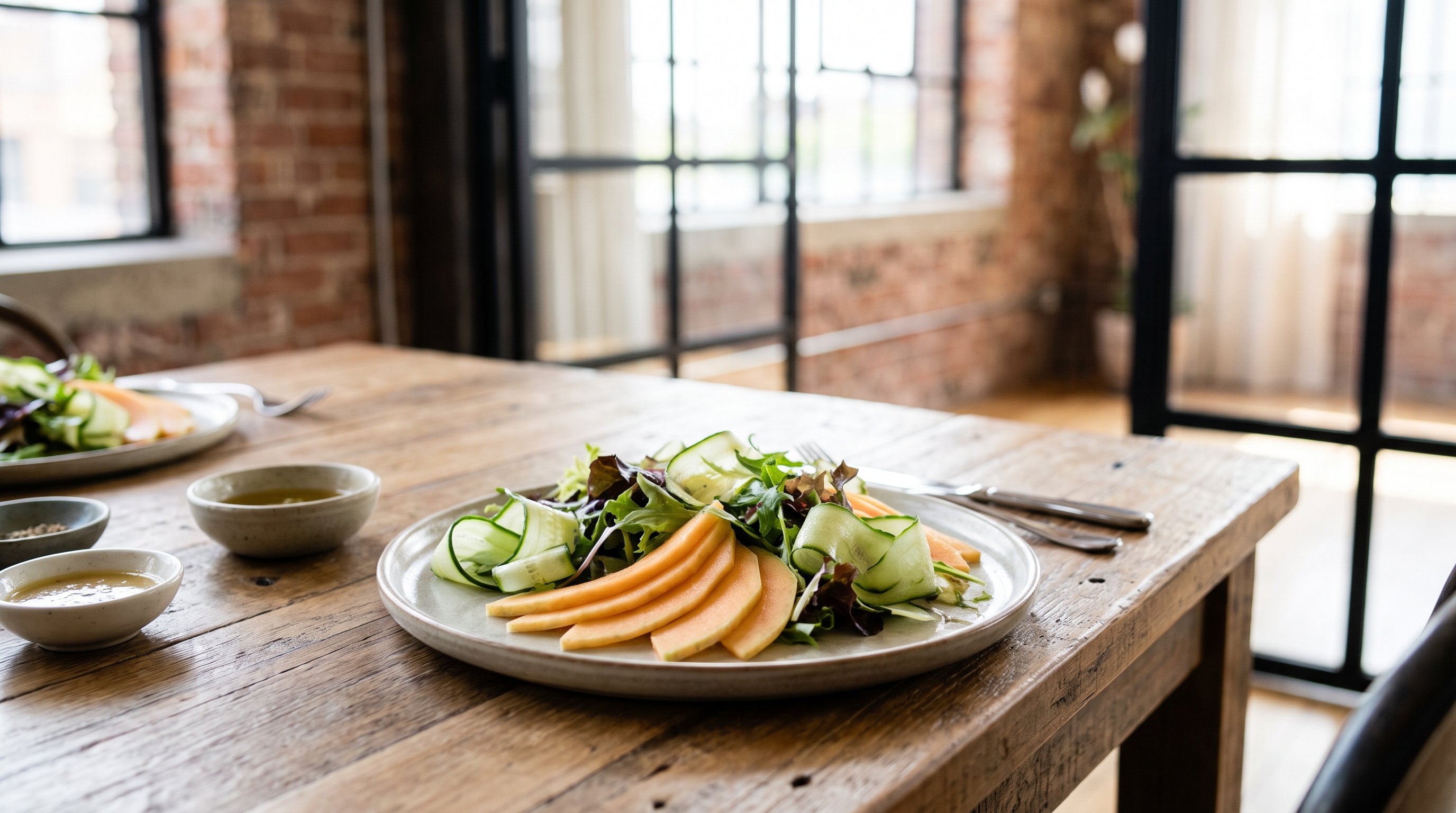
Foods with high water content, like cucumber or melon, help flush excess sodium out through urine rather than letting it sit and pull water into your gut lining.
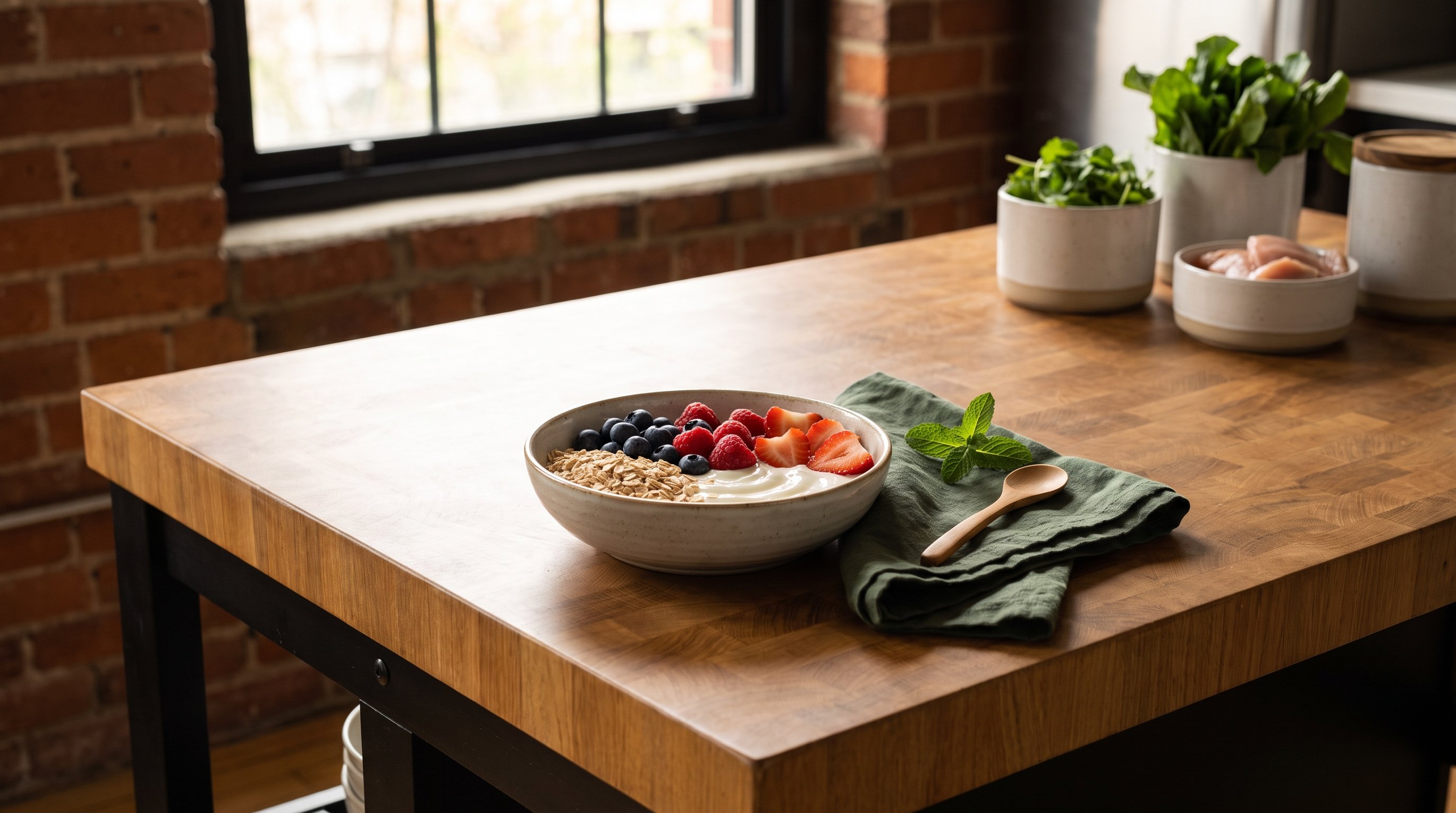
Fermented foods such as yoghurt bring live cultures that can ease how gas builds up during digestion, which is a mechanical effect, not a magic one.
Here's the arithmetic: if a meal carries 2,000mg of sodium against a typical daily intake many people sit around, water retention from that one meal can visibly show up on the scale the next morning - not because you gained fat, but because your body is holding water to dilute the extra salt.
Swap that high-sodium meal for one built around potassium-rich foods like bananas or leafy greens, and your body has an easier time rebalancing fluid levels within a day or so.
Low-FODMAP Plates Versus Fibre-Heavy Plates for Bloating
People weighing up bloating relief usually land on two camps: eating low-FODMAP to cut fermentable carbs, or loading up on fibre to keep digestion moving.
Neither one is universally right. It depends on whether your bloating comes from gas-producing fermentation or from sluggish, constipated digestion.
| Approach | How It Works | Best For |
|---|---|---|
| Low-FODMAP swaps | Cuts fermentable sugars | Gas-driven bloating |
| High-fibre swaps | Speeds up transit time | Sluggish digestion |
| High-water foods | Dilutes sodium, flushes fluid | Salt-related puffiness |
| Fermented foods | Eases gas buildup | After heavy meals |
| Peppermint or ginger | Relaxes gut muscles | Cramping and tightness |
Most people don't need to pick one camp forever. Rotating between them based on how your stomach feels that week tends to work better than locking into a single rulebook.
Why Small Food Swaps Beat Cutting Whole Food Groups
The harder route is cutting out entire food groups - no dairy, no grains, no legumes - hoping bloating disappears for good.
That approach is hard to sustain and often unnecessary, because most bloating responds to smaller changes like portion size, pairing, or timing.
Swapping a large bowl of beans for a smaller portion alongside rice, or trading a creamy sauce for a yoghurt-based one, keeps the meal enjoyable while easing the load on digestion.
Adherence wins here. A swap you'll actually repeat next week beats a restriction you'll abandon by Thursday.
Adjusting Bloating Relief Foods to Your Own Situation
If You're New to Watching Bloating Triggers
Start by noticing patterns rather than cutting foods outright - write down what you ate before a bloated evening and look for repeats over a couple of weeks.
If You're Busy and Eating on the Go
Keep a banana, a small pot of plain yoghurt, or pre-cut cucumber on hand so the easy swap is as convenient as the bloating-prone option.
If You're Managing Bloating Alongside a Smaller Appetite
Favour water-rich, low-volume foods like melon or courgette so you still get nutrients without overloading a stomach that's already working with less capacity.
If You're Older or Have Slower Digestion
Lean a little more toward fibre and fluids together, since fibre without enough water can make bloating worse rather than better.
Making These Food Swaps Work on a Normal Week
Knowing which foods help is one thing. Remembering to actually buy them, cook them, and reach for them instead of the usual option on a tired Tuesday is the real challenge.
This is where a tailored meal plan earns its keep - GLP Diet builds a plan around food you already like, so the bloating-friendly swap is already on the shopping list instead of something you have to remember to add.
Pairing that with a simple tracker for water intake makes it easier to see whether you're actually hitting the fluid levels that help flush sodium, rather than guessing.
No, No Single Food Erases Bloating Overnight
The promise people want is a magic ingredient - a tea, a smoothie, a supplement - that flattens a bloated stomach by morning.
That's not how digestion works. Bloating builds from a mix of what you ate, how fast, and how much sodium and gas came with it, so no single food reverses all of that at once.
The honest answer is that consistent swaps - more water-rich foods, smaller portions of gas-producing ones, steady fluid intake - reduce how often bloating shows up, not erase it the moment it appears.
Letting GLP Diet Simplify Your Anti-Bloating Choices
Figuring out which foods suit your digestion, and then actually cooking them week after week, is the part that usually falls apart without some structure.
GLP Diet takes that off your plate - literally - by building a meal plan around food you already enjoy, so swaps that ease bloating fit naturally instead of feeling like extra homework.
Add in progress tracking for water intake and weight, plus nutrition guides written by nutrition experts, and you've got a way to see what's actually working instead of guessing week to week.

Control Your Appetite
Smarter Weight Loss Plan
Picking One Swap to Start Easing Bloating This Week
Pick one meal this week where sodium or portion size tends to run high, and swap in a water-rich or fibre-balanced option instead.
Small, repeatable changes like that add up faster than a strict elimination plan you abandon after a few days - and GLP Diet can help keep those swaps part of a plan built around food you already like.
FAQ
Water-rich foods like cucumber and melon help dilute sodium quickly, while peppermint or ginger can ease cramping tied to trapped gas. Results vary by person, so there's no fixed timing to expect.
Not quite - bloating is often about which foods and how much sodium or gas-producing fibre you ate, not just total calories. Eating less can sometimes still leave you bloated if the meal was high in salt or hard-to-digest fibre.
That's common, because bloating often has more to do with portion size, sodium, or fermentable fibre than with one food group entirely. Tracking what you eat alongside how you feel, which GLP Diet makes easier with its daily trackers, can help you spot the real pattern.
Your gut adapts to repeated foods, so a swap that helped at first may need rotating with another option to keep working. Sticking with variety across water-rich, fibre-rich, and fermented foods tends to hold up better long term than relying on just one fix.
Share this post