Gut Health Foods: Whole Food Choices Versus Daily Supplements
By:Author:GLP Diet Editorial
Updated on:October 17, 2026
- What a Gut-Friendly Day on a Plate Looks Like
- How Much Fibre and Fermented Food You Actually Need
- Why Eating a Variety of Plants Beats Popping a Probiotic
- Making Gut-Friendly Eating Work on a Normal Week
- Adjusting Gut-Friendly Eating to Where You're Starting From
- When a Gut-Friendly Routine Starts to Feel Normal
- Supporting Gut Health Foods With GLP Diet's Daily Tools
- Turning Gut Health Foods Into a Habit You Keep
Whole foods beat a daily supplement for gut health because they bring fibre, water and plant variety together in one place, not isolated in a capsule.
Your gut relies on a mix of fermentable fibres and fluid to work through food properly, and most supplements only cover one narrow piece of that puzzle.
This guide covers what a good day of gut-friendly eating looks like, how much fibre and fermented food to aim for, why food usually wins over pills, and how to fit it into a normal week.
What a Gut-Friendly Day on a Plate Looks Like
There's no need to overhaul every meal. A few deliberate swaps across the day can cover most of the bases.
A Sample Day
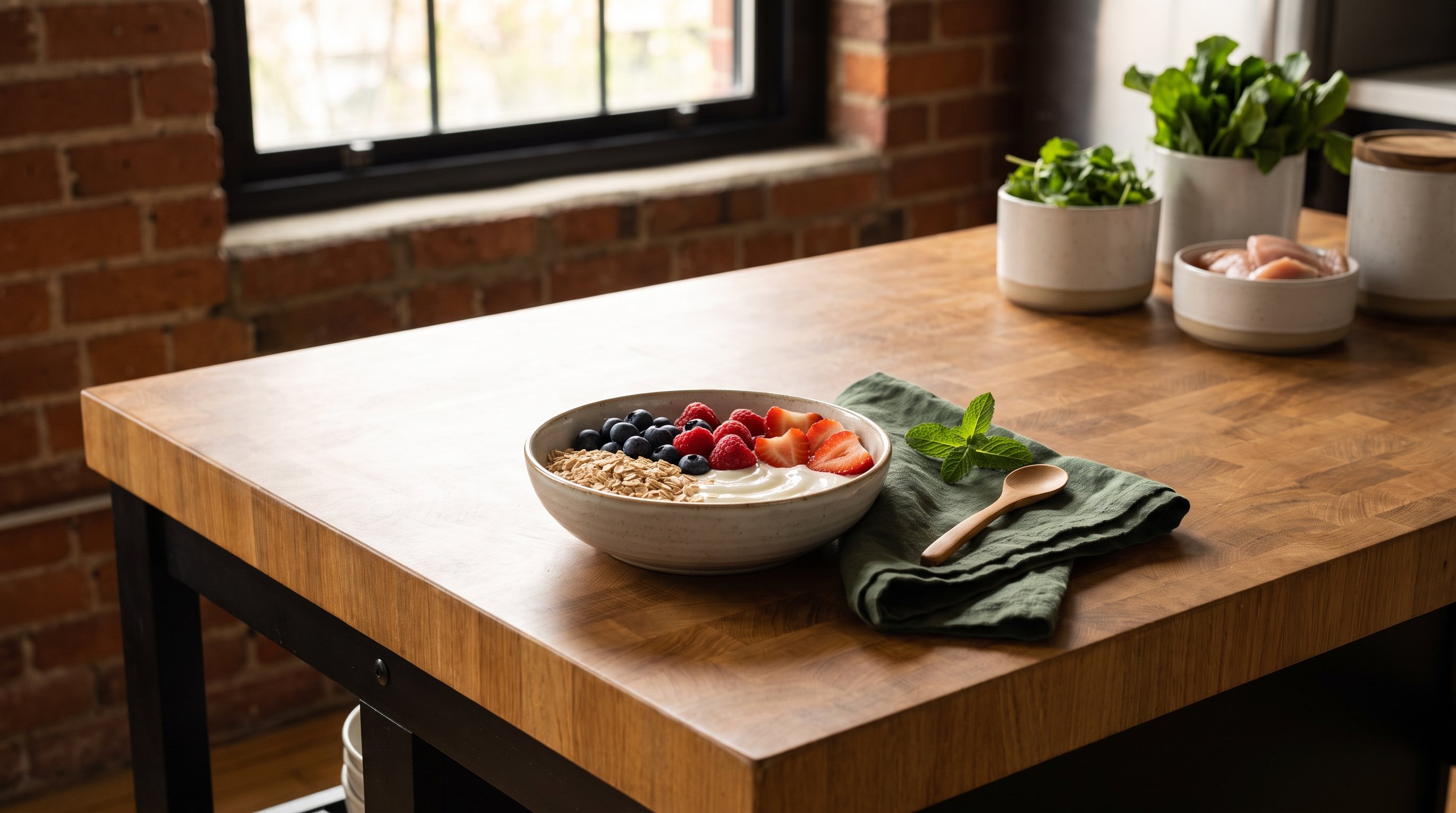
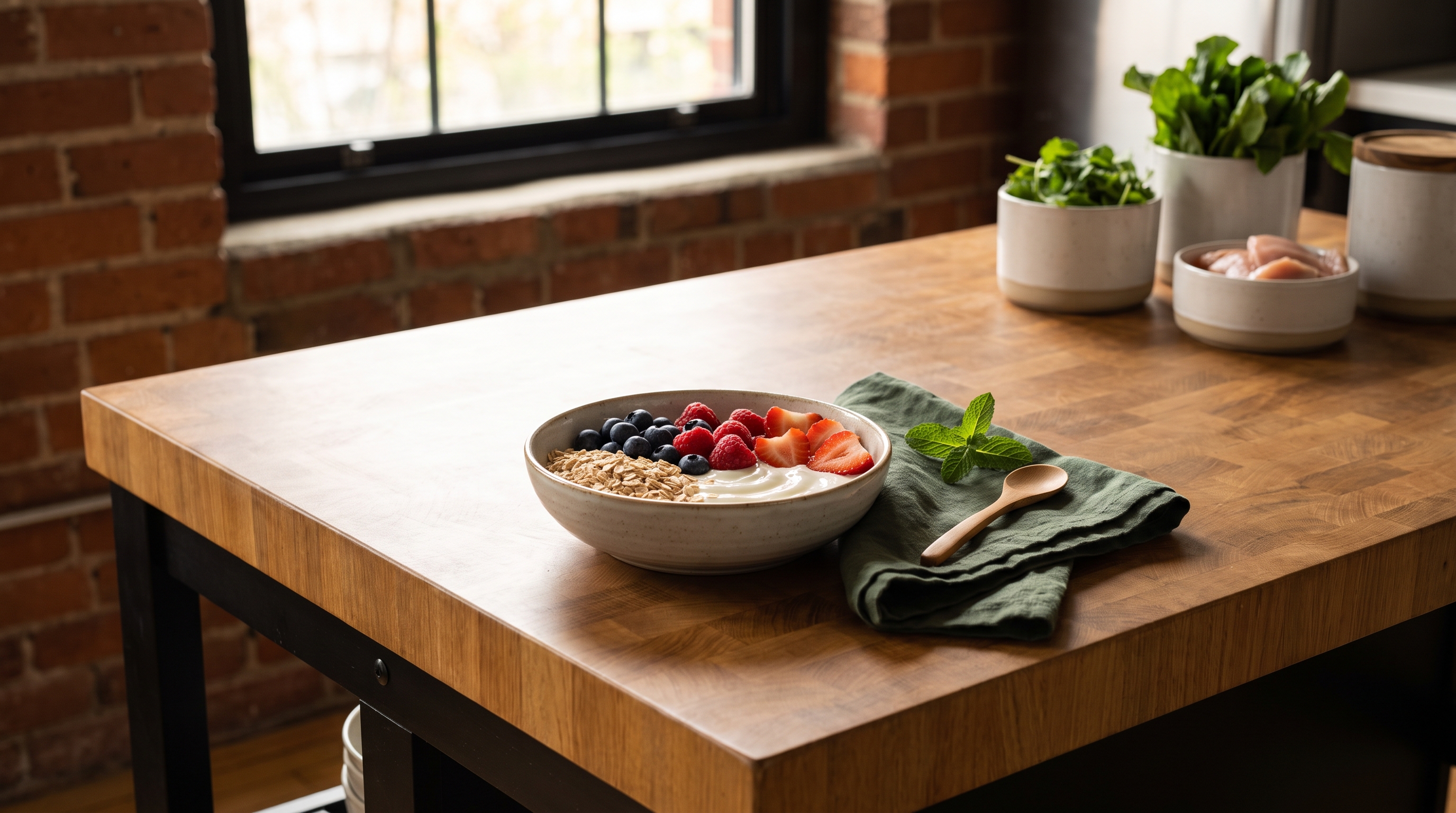
- Breakfast - oats with berries and a spoon of plain yoghurt
- Lunch - a bean and vegetable salad with a wholegrain roll
- Snack - an apple with the skin left on, plus a handful of nuts
- Dinner - a stir-fry loaded with mixed vegetables and a side of kimchi or sauerkraut
- Evening - herbal tea and a square or two of dark chocolate
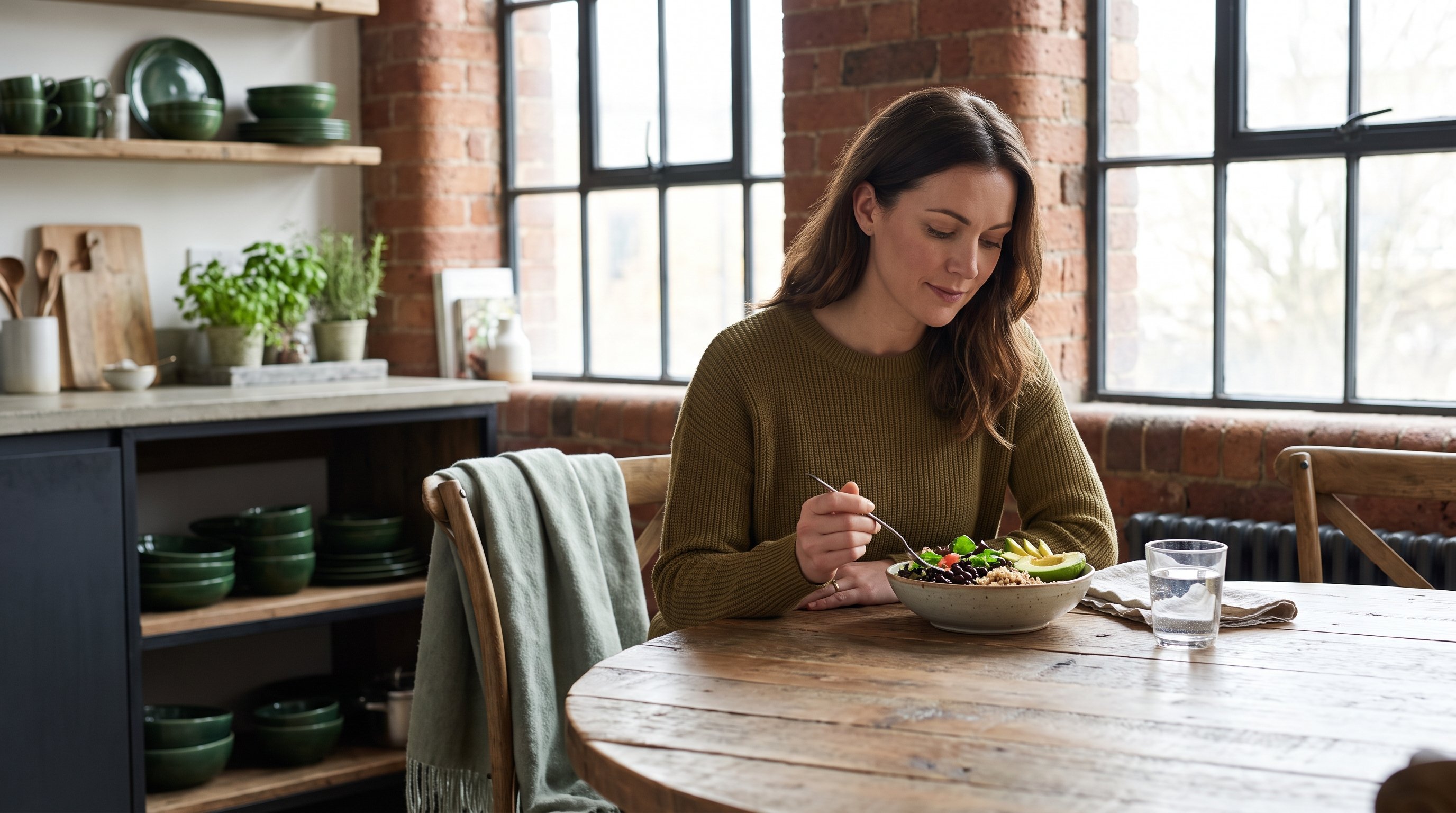
Notice the pattern: plant variety, some fermented food, and fibre at nearly every meal rather than saved for one big salad. This balanced approach delivers different fibre types across the day, which keeps your digestive system working steadily rather than overwhelming it at one sitting.
How Much Fibre and Fermented Food You Actually Need
Quantities Worth Tracking
Fibre targets and fermented food servings are easier to hit when you've got a rough number in mind rather than a vague goal of eating healthier.
| Target | Amount | Best Source |
|---|---|---|
| Fibre from plants | Aim for 25-30g daily | Vegetables, fruit, wholegrains |
| Fermented food | One serving daily | Yoghurt, kimchi, sauerkraut |
| Plant variety | 20-30 types weekly | Herbs, spices, grains, legumes count |
| Water | Spread across the day | Helps fibre move through |
| Legumes | A few servings weekly | Beans, lentils, chickpeas |
Why Eating a Variety of Plants Beats Popping a Probiotic
A daily probiotic capsule delivers one or a handful of strains, taken once and often forgotten by lunchtime.
A varied plate of beans, vegetables, wholegrains and fermented food feeds a much wider range of what's already living in your gut, meal after meal.
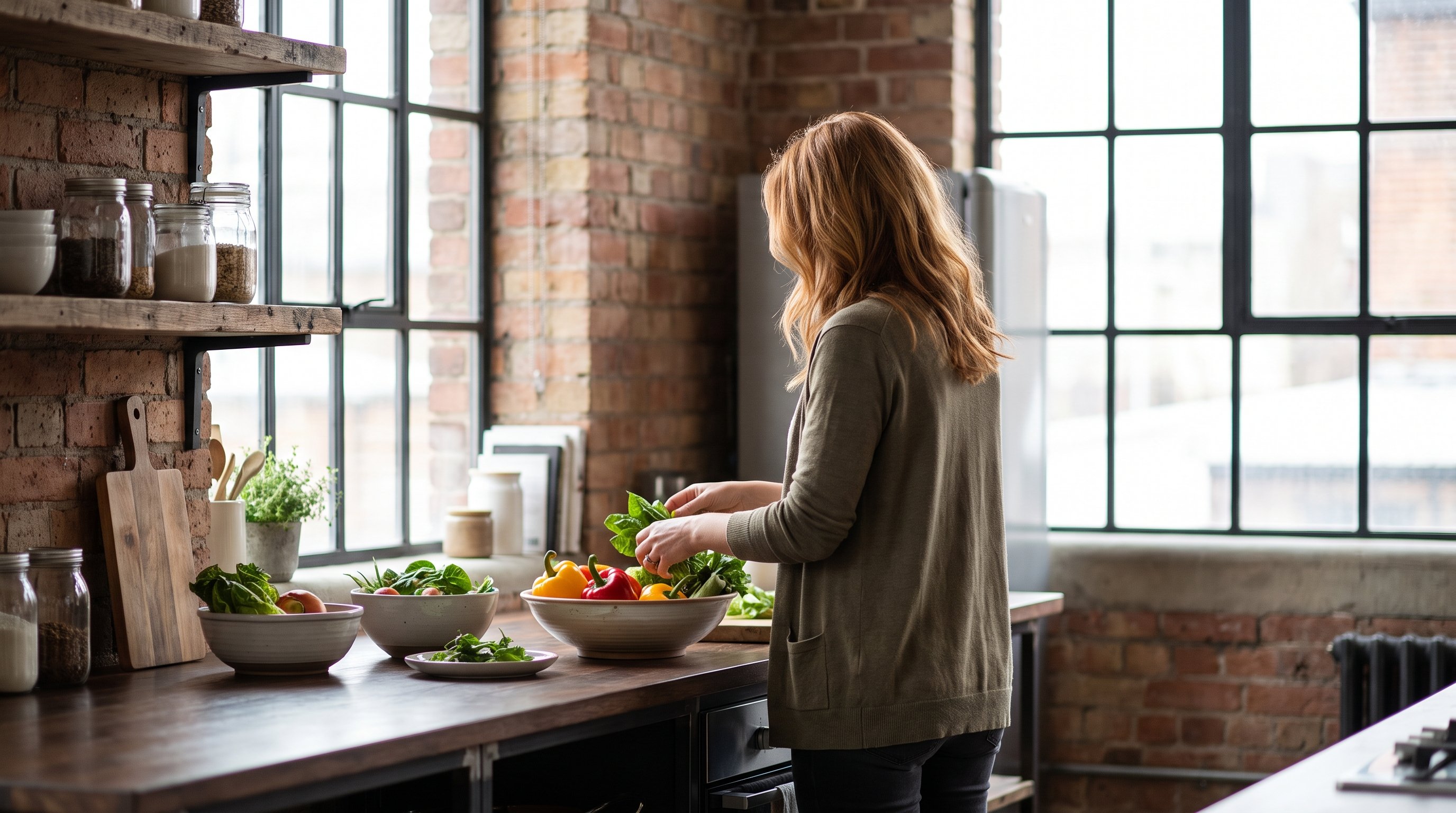
The supplement route is easier to remember but narrower in what it offers. The food route takes more thought upfront but does more work across the whole day, which is why it tends to stick once it becomes routine. Your gut bacteria thrive on diversity, so rotating between different vegetables, grains and fermented sources creates a more stable environment than a single strain can provide.
Making Gut-Friendly Eating Work on a Normal Week
The easiest way to keep this going is to stop treating it as a separate project and build it into meals you were already going to cook.
Swap white rice for a wholegrain version, add a spoon of yoghurt to breakfast, or keep a jar of sauerkraut in the fridge for dinner.
A meal plan built around food you already like makes this simpler, since GLP Diet lays out meals with fibre and variety already worked in, rather than leaving you to calculate it meal by meal. This removes the guesswork about whether you're hitting your targets.
Adjusting Gut-Friendly Eating to Where You're Starting From
If You're New to This
Start with one fermented food and one extra vegetable a day rather than rebuilding every meal at once.
If You're Always Short on Time
Pre-washed salad bags, tinned beans and frozen vegetables count just as much as the fresh version and save the chopping.
If You're on a Smaller Appetite
Prioritise fibre-dense choices like lentils and oats over bulky low-fibre filler, so you get more from less food.
If You've Had Digestive Sensitivity
Increase fibre and fermented food gradually over a few weeks rather than all at once, since a sudden jump can feel uncomfortable before it settles.
When a Gut-Friendly Routine Starts to Feel Normal
Most people quit a gut-focused routine somewhere around the second or third week, usually because they expected a dramatic shift and didn't see one.
Be vague about timing here on purpose. Everyone's starting point and current diet are different, so there's no fixed week when things click.
What tends to happen instead is that the swaps stop feeling like effort. Reaching for beans over chips or yoghurt over a pastry becomes automatic rather than a decision you have to make each time. The real shift is internal and often subtle: steadier energy through the day, less bloating after meals, or more regular digestion.
Supporting Gut Health Foods With GLP Diet's Daily Tools
Keeping track of fibre, water and variety across a full week is where most people lose the thread, not because the food choices are hard but because nothing is written down.
GLP Diet keeps steps, water and weight in one place, so you can see at a glance whether fibre-rich meals and enough fluid are actually happening or just intended.
Pair that with a customized GLP-1 diet meal plan built around food you already like, plus nutrition guides that explain the reasoning behind each swap, and the daily decisions get a lot smaller.
Control Your Appetite
Smarter Weight Loss Plan
Turning Gut Health Foods Into a Habit You Keep
Pick one meal today and add a fibre source or a fermented food to it, then repeat that same swap tomorrow until it needs no thought at all.
GLP Diet can carry the planning side of this, so the only job left for you is showing up to the table.
FAQ
Not necessarily, since a varied diet with fibre and fermented food covers most of what a supplement is trying to do. A pill can sit alongside food choices but it doesn't replace them.
Adding fibre too fast can feel uncomfortable, which is why a gradual increase over a few weeks works better than a sudden overhaul. Spreading fibre across meals rather than loading it into one sitting also helps.
Yoghurt, kefir, kimchi and sauerkraut all count, so there's usually at least one option worth trying even if others don't appeal. Small amounts added to an existing meal are an easier starting point than a plate on its own.
Build the swaps into meals you already cook rather than treating gut health as a separate project to maintain. GLP Diet's meal plans and tracking tools are built to keep that consistency going without you having to plan it from scratch each week.
Share this post