High Fiber Breakfast Foods: A Practical Guide for Your Morning
By:Author:GLP Diet Editorial
Updated on:October 17, 2026
- Building a Fibre-Rich Plate Step by Step
- How Much Fibre Belongs on the Breakfast Plate
- Fitting Fibre-Rich Mornings Into a Rushed Week
- A Four-Day Starter Plan for Fibre-Rich Mornings
- When a Fibre-Rich Breakfast Habit Starts to Settle
- Where Fibre-Rich Breakfast Plans Quietly Fall Apart
- Making High Fiber Breakfasts Easier With GLP Diet
- Turning a Fibre Habit Into Part of a Normal Morning
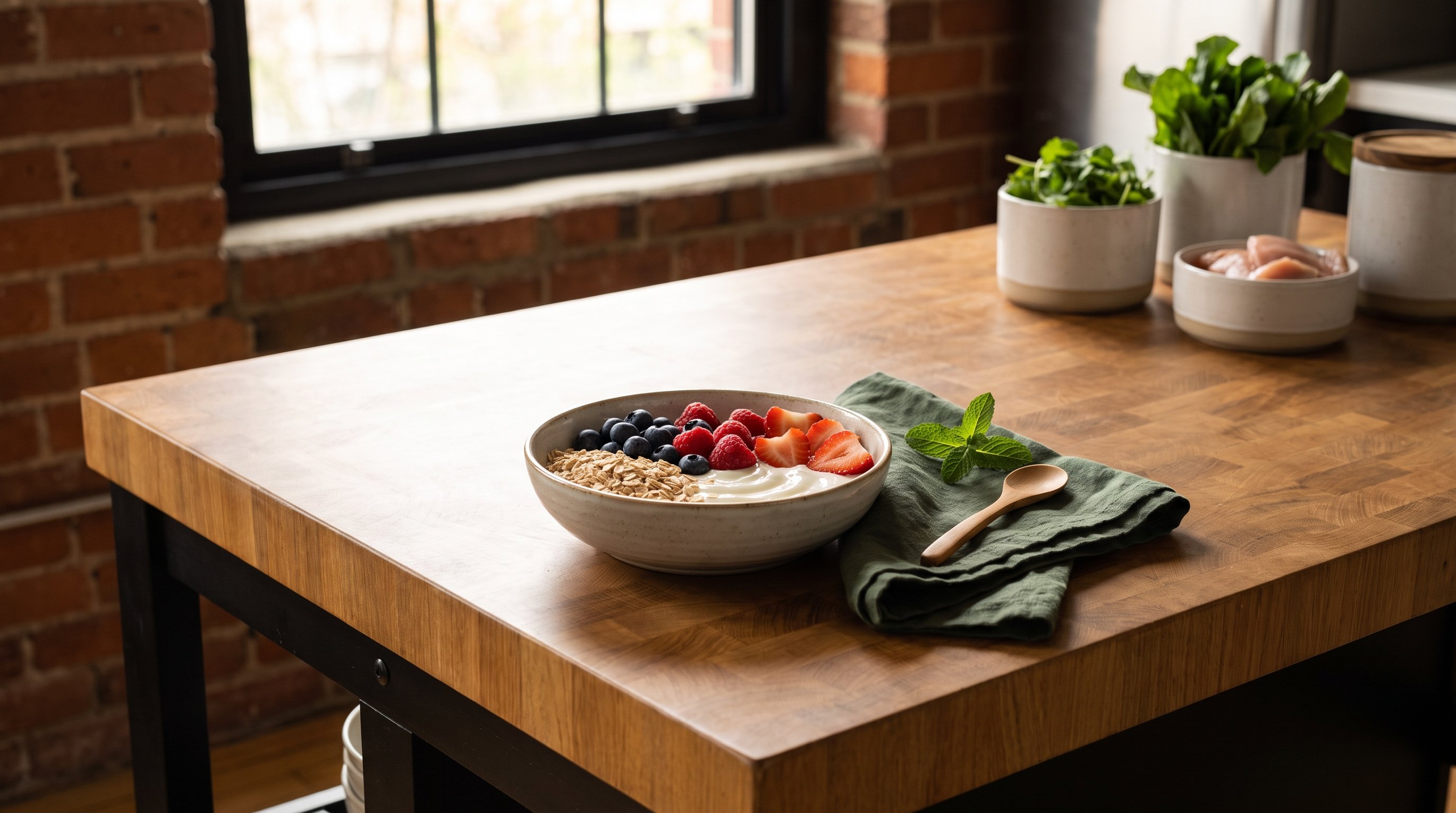
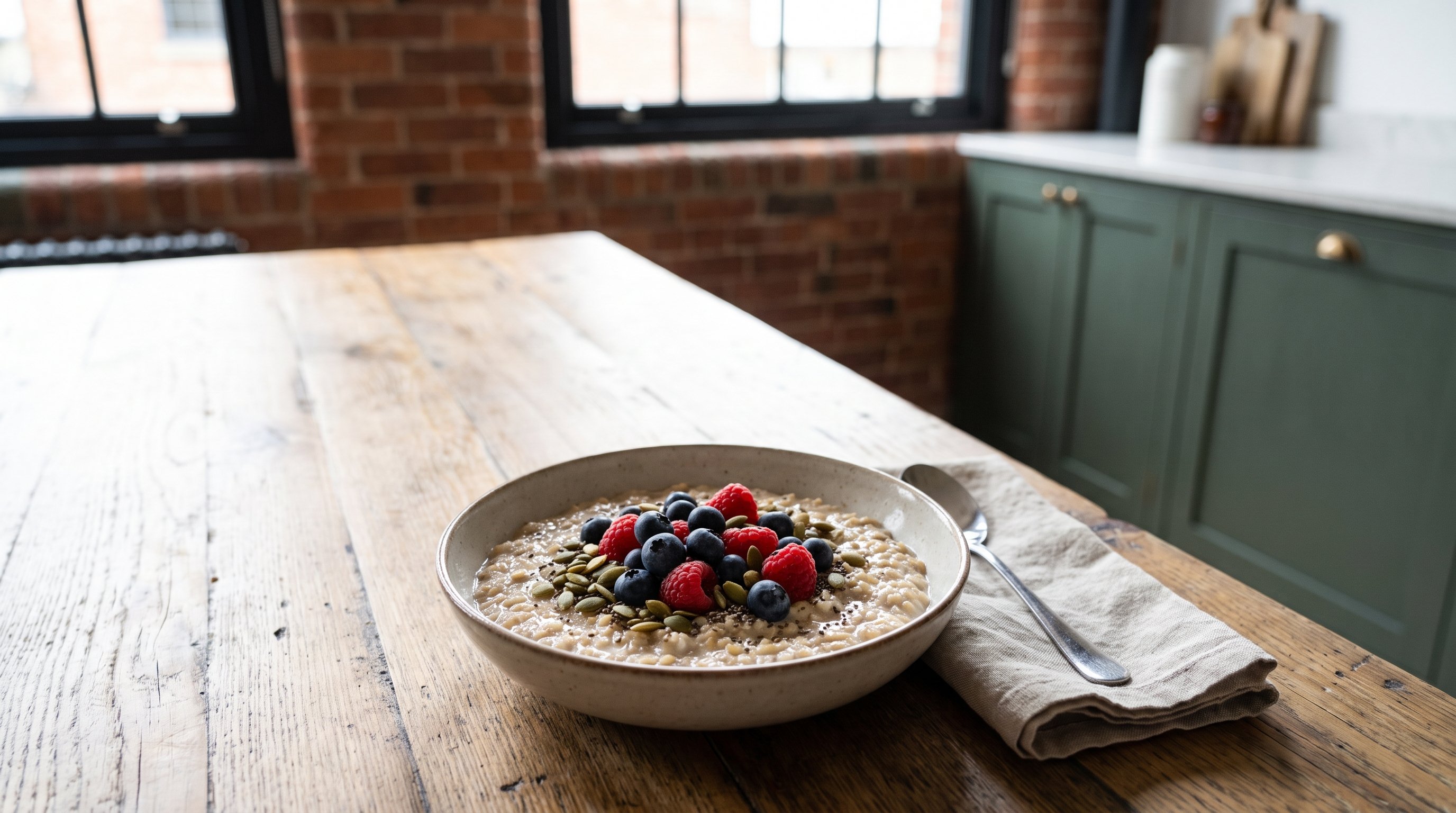
High fiber breakfast foods are things like oats, chia seeds, raspberries, lentils and wholegrain bread - anything that still has its bran, skin or husk intact rather than being stripped out during processing.
Fibre passes through digestion mostly undigested, which is exactly the point. It adds bulk to a meal, slows how fast it empties from the stomach, and that slower pace is what keeps hunger quiet for longer.
This guide covers which breakfast foods actually deliver fibre, how much to aim for, a simple starter plan, and the mistakes that quietly undo a good morning habit.
Building a Fibre-Rich Plate Step by Step
There's no need to overhaul breakfast overnight. A few small, repeatable moves get most people to a fibre-rich plate without much thought.

Steps to Build a Fibre-Rich Breakfast
- Start with a wholegrain base - oats, wholegrain toast or a wholemeal wrap instead of the refined version.
- Add a fruit with edible skin or seeds - raspberries, pear, apple or kiwi all carry fibre in the bits most people would otherwise discard.
- Mix in a seed or nut - a spoon of chia, flaxseed or chopped almonds adds fibre without changing the meal much.
- Keep a legume on hand for savoury mornings - baked beans or lentils on toast turn a plain breakfast into a fibre-dense one.
- Leave the skin on where you can - potatoes, apples and pears lose a chunk of their fibre the moment they're peeled.
- Pair fibre with protein - eggs, yoghurt or cottage cheese alongside the fibre source help the meal hold you longer.
- Check the label on packaged cereals - many 'wholegrain' boxes carry less fibre than a bowl of plain oats.
How Much Fibre Belongs on the Breakfast Plate
Working Out a Useful Morning Target
A breakfast that carries somewhere around a third of a day's fibre is doing real work, without needing to be the only fibre-rich meal of the day.
The table below shows common breakfast foods and roughly how much fibre a normal portion carries, so you can see what adds up fastest.
| Breakfast Food | Fibre Per Portion |
|---|---|
| Porridge oats, 40g dry | About 4g |
| Wholegrain toast, 2 slices | About 4g |
| Raspberries, 100g | About 6g |
| Chia seeds, 1 tbsp | About 3g |
| Baked beans, half tin | About 5g |
Fitting Fibre-Rich Mornings Into a Rushed Week
Most mornings are not calm. Between getting out the door and getting everyone else out the door, a fibre-rich breakfast only survives if it takes minutes, not effort.

Overnight oats made the night before solve the time problem completely. So does a jar of yoghurt, berries and a spoon of seeds grabbed on the way out.
This is also where having a plan helps more than willpower does. A GLP Diet meal plan built around food you already like can slot fibre-rich breakfasts into the week automatically, so you're not deciding from scratch every single morning.
A Four-Day Starter Plan for Fibre-Rich Mornings
The order below matters more than the exact foods - it moves from the easiest swap to a fuller plate, so the habit has time to settle in.
| Day | Focus |
|---|---|
| Day 1 | Swap white toast for wholegrain |
| Day 2 | Add a spoon of seeds to breakfast |
| Day 3 | Add a whole fruit with skin on |
| Day 4 | Try a legume-based breakfast once |
When a Fibre-Rich Breakfast Habit Starts to Settle
The first few mornings usually feel like extra effort, because any new routine does. Once the ingredients are sitting in the kitchen rather than needing a shopping trip, the habit gets a lot less fragile.
Digestion can feel different for a short stretch as fibre intake goes up, which is normal and tends to settle as the gut adjusts to the change. Drinking enough water alongside the extra fibre makes that adjustment smoother.
Most people find the habit stops needing conscious thought somewhere past the first few weeks, once a handful of go-to breakfasts become automatic.
Where Fibre-Rich Breakfast Plans Quietly Fall Apart
Relying on One 'healthy' Cereal Box
A lot of cereals marketed as wholegrain carry less fibre than plain oats or a slice of wholegrain toast. Check the fibre line on the label rather than trusting the front of the box.
Peeling Away the Fibre Without Noticing
Apples, pears and potatoes lose a meaningful share of their fibre the moment the skin comes off. Leaving the skin on is the easiest way to keep that fibre where it belongs.
Adding Fibre but Skipping the Water
Fibre needs fluid to do its job properly, and a dry, rushed breakfast with no drink alongside it can leave you feeling heavier rather than better. A glass of water or tea with breakfast solves this quietly.
Going From Low Fibre to Very High Fibre Overnight
Jumping straight to a huge bowl of bran and seeds after years of toast and jam is a lot for digestion to adjust to at once. Building up over a week or two, the way the starter plan above does, is kinder on the gut.
Making High Fiber Breakfasts Easier With GLP Diet
Knowing which foods carry fibre is one thing. Fitting them into an actual week, around an actual appetite, is the part that usually trips people up.
GLP Diet builds a meal plan around food you already like, so fibre-rich breakfasts show up without you having to redesign your mornings from scratch. Pair that with the water and weight trackers to see how the small swaps are adding up, and the nutrition guides for more detail on building a fuller plate.
Control Your Appetite
Smarter Weight Loss Plan
Turning a Fibre Habit Into Part of a Normal Morning
Pick one swap from this guide and do it tomorrow morning - wholegrain toast instead of white, or a handful of raspberries added to the usual bowl. That single change is easier to keep than a full breakfast overhaul, and it's the one that actually sticks.
GLP Diet can take the guessing out of the rest of the week once that first swap feels normal, building a wider plan around meals you'd already choose anyway.
FAQ
Fibre adds bulk and slows digestion, which tends to keep hunger quieter for longer after eating. That makes it easier to hold a reasonable portion at the next meal without the deficit feeling like a fight.
Bran carries fibre, but so do raspberries, oats, wholegrain toast, lentils and baked beans - most of which are already breakfast staples. The goal is picking the wholegrain or whole-fruit version of what's already on the plate.
Overnight oats, a yoghurt jar with berries and seeds, or toast with a legume spread all take minutes and travel well. None of them need cooking time in the actual rush of the morning.
That's usually a sign the plan needs to fit the week better, not that fibre has stopped working. GLP Diet's meal plans build fibre-rich options around food already in rotation, so the habit doesn't depend on daily willpower.
Share this post