High Protein Snacks: How Much Protein to Eat for Lasting Fullness
By:Author:GLP Diet Editorial
Updated on:October 17, 2026
- A Day of Snacking Built Around Protein
- How Much Protein a Snack Actually Needs
- Why Protein Snacks Beat Fighting Through Hunger
- Fitting Protein Snacks Into a Packed Day
- Adjusting Protein Snacks to Fit Different Routines
- When Protein Snacking Starts to Feel Normal
- Making High Protein Snacks Fit With GLP Diet
- Making Protein Snacking a Habit That Sticks
A snack with roughly 15 to 20 grams of protein in it does more to keep you full until your next meal than a snack built around carbs alone. That's the short version.
Protein slows digestion and takes longer to break down than refined carbs, so blood sugar rises more gradually and hunger signals stay quiet for longer. Pair that with some fibre or fat and the effect holds even better.
This guide covers what a day of protein-forward snacking looks like, how much to aim for and how often, why it beats white-knuckling through hunger on willpower, and how to make it fit a normal week.
A Day of Snacking Built Around Protein
Here's a sample day showing where protein-rich snacks slot in around three main meals, without needing anything unusual from a supermarket.
A Sample Day
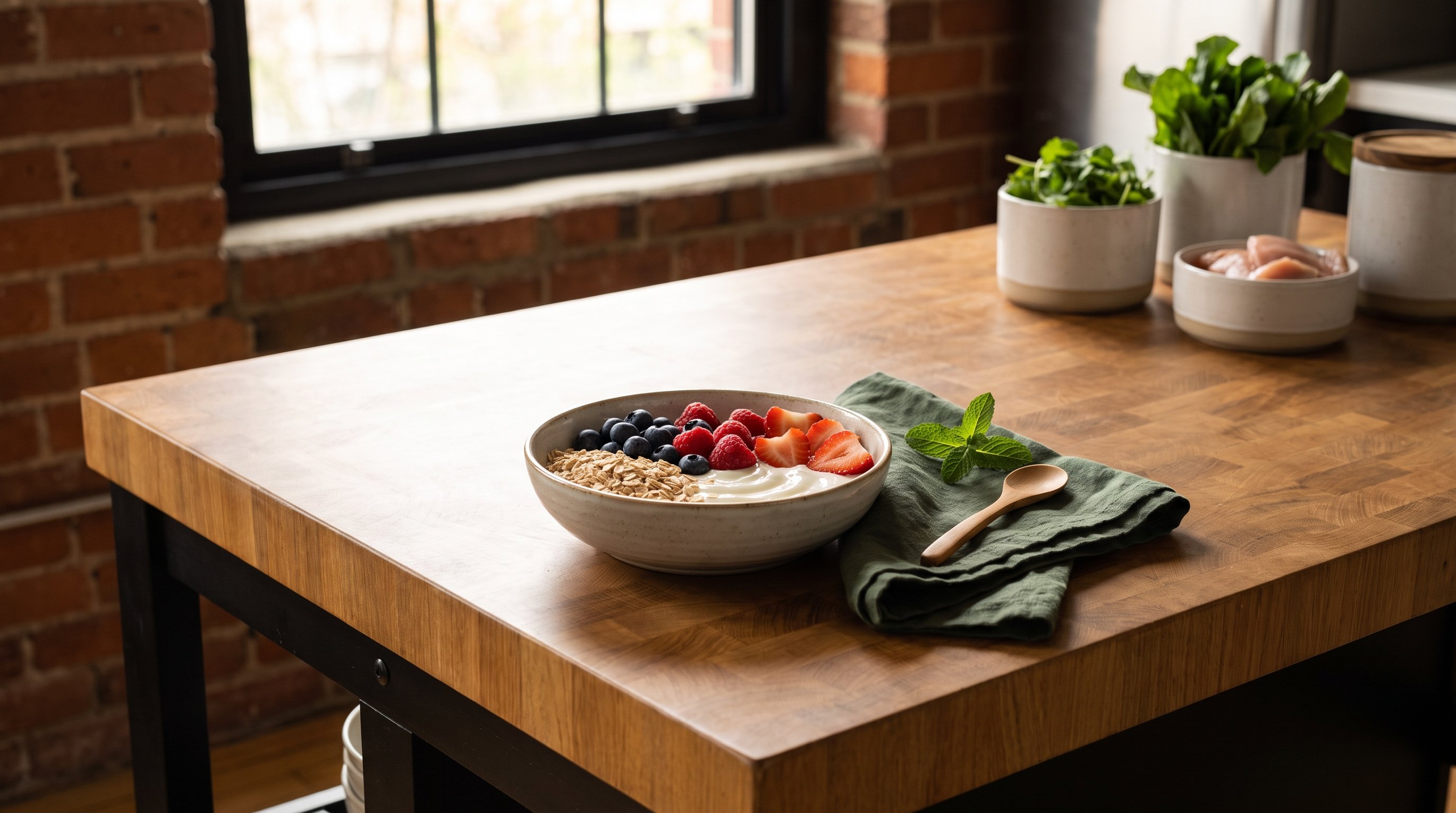
- Mid-morning - Greek yoghurt with a handful of mixed nuts
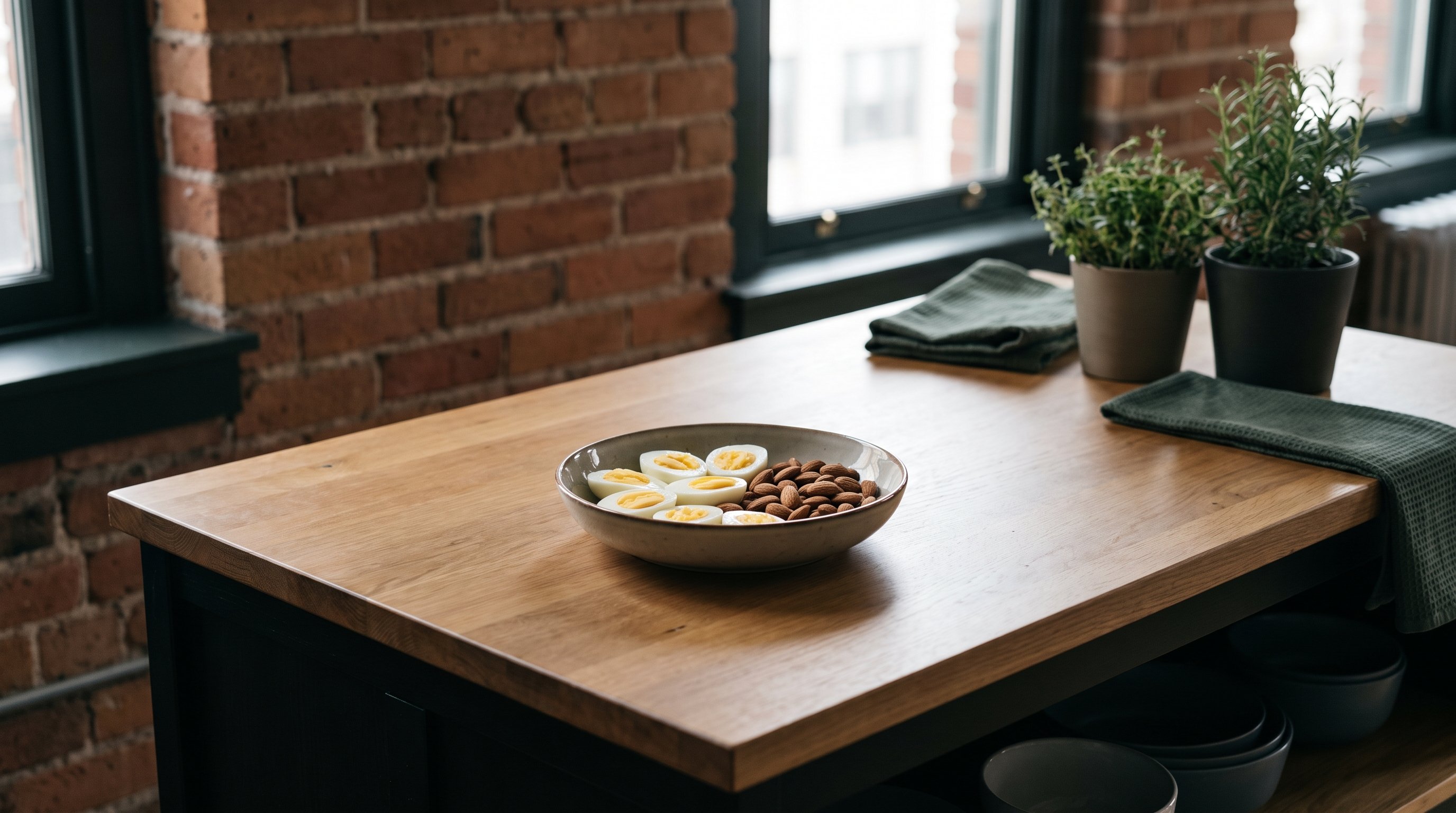
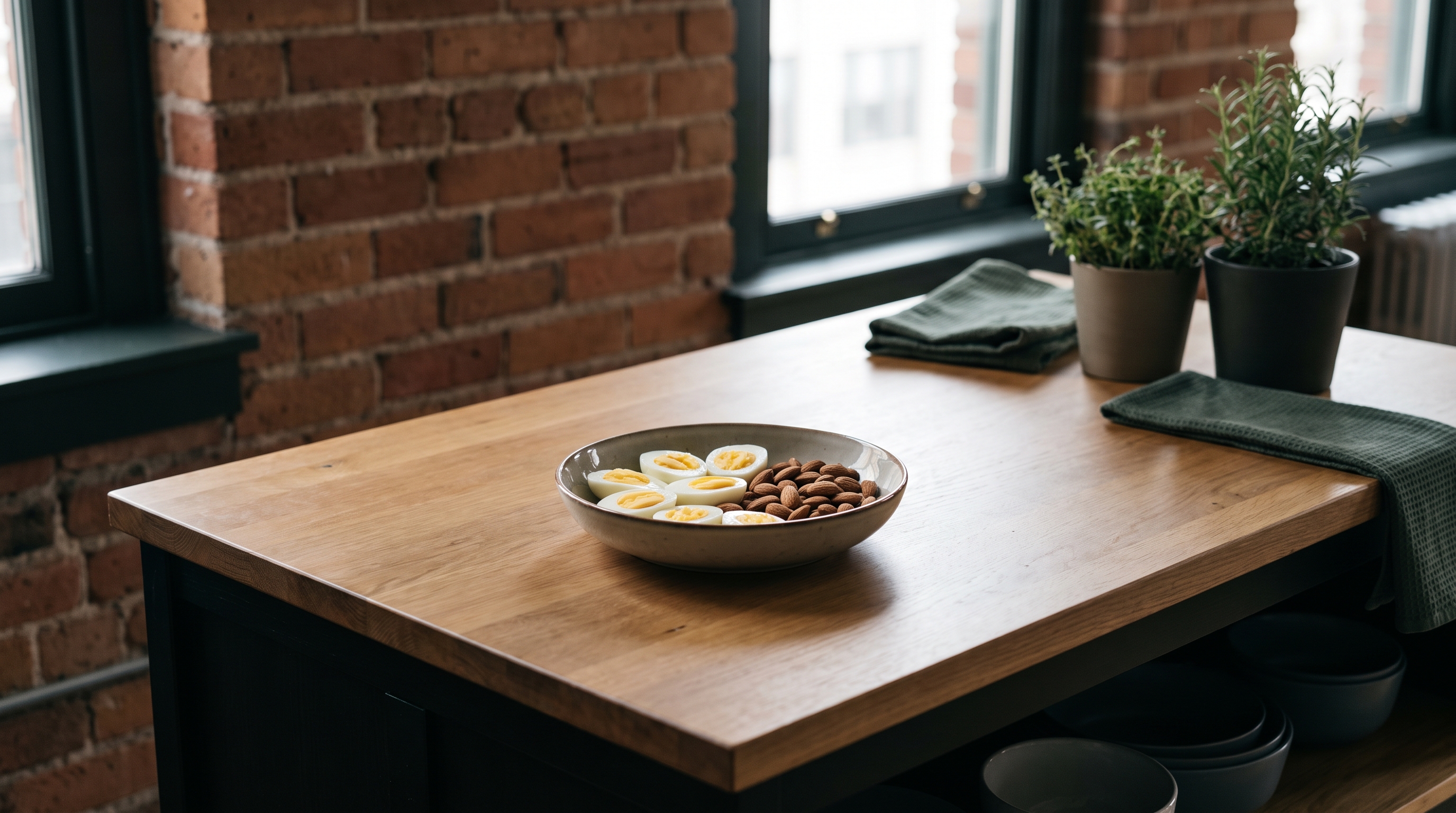
- Afternoon - Two boiled eggs with a small piece of fruit
- Pre-dinner - Cottage cheese on wholegrain crackers
- Evening, if needed - A small portion of edamame or roasted chickpeas
None of these need prep beyond boiling eggs in batches or portioning yoghurt into pots ahead of time. The point isn't variety for its own sake, it's having something ready before hunger turns into grabbing whatever's closest.
How Much Protein a Snack Actually Needs
Finding a Useful Target per Snack
Somewhere between 15 and 20 grams of protein per snack is enough to notice a difference in how long fullness lasts, without turning a snack into a full meal. Below that, the effect tends to fade fast; well above it, you're probably better off calling it a meal.
| Snack | Protein |
|---|---|
| Greek yoghurt, 200g | 18-20g |
| Two boiled eggs | 12-13g |
| Cottage cheese, 150g | 17-18g |
| Edamame, 1 cup cooked | 17g |
| Mixed nuts, 30g | 6-7g |
Nuts alone sit under the useful range, which is why pairing them with yoghurt or fruit works better than eating a handful on its own. One or two protein-forward snacks a day, placed where hunger usually hits, is plenty for most people.
Why Protein Snacks Beat Fighting Through Hunger
The harder alternative is skipping snacks entirely and just pushing through the gap between meals on willpower. It sometimes works for a day, rarely for a month.
A protein-rich snack is the easier route because it works with appetite instead of against it. You're not overriding hunger, you're answering it with something that keeps you satisfied for longer, so the next meal doesn't turn into overeating because you arrived starving.
Restriction asks you to ignore a signal your body keeps sending. Substitution just changes what answers that signal, which is a much smaller ask to repeat every single day.
Fitting Protein Snacks Into a Packed Day
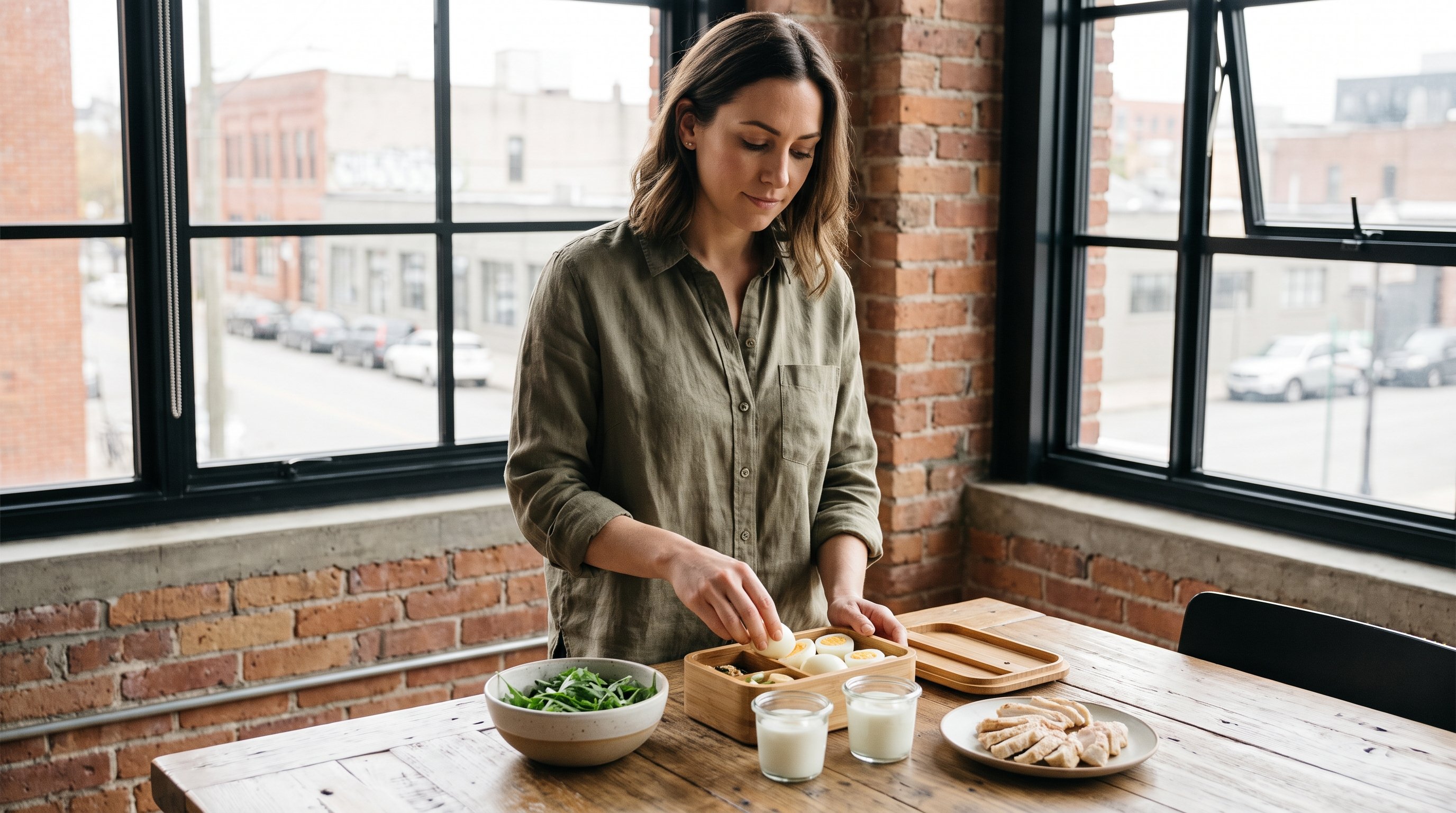
The snacks that survive a busy week are the ones that need zero prep in the moment, boiled eggs made Sunday night, yoghurt pots already portioned, nuts in a bag by the door.
If planning what to eat and when feels like its own job on top of everything else, a tailored GLP-1 diet meal plan can build protein-rich snacks into your day automatically, so you're not guessing what to grab at 3pm.
Keeping water, steps and meals logged in one place also makes it easier to notice when snacking is actually hunger versus just habit.
Adjusting Protein Snacks to Fit Different Routines
If You're New to This
Start with one protein-forward snack a day rather than overhauling everything at once. Boiled eggs or yoghurt are the easiest entry point since they need almost no preparation.
If Your Days Are Already Full
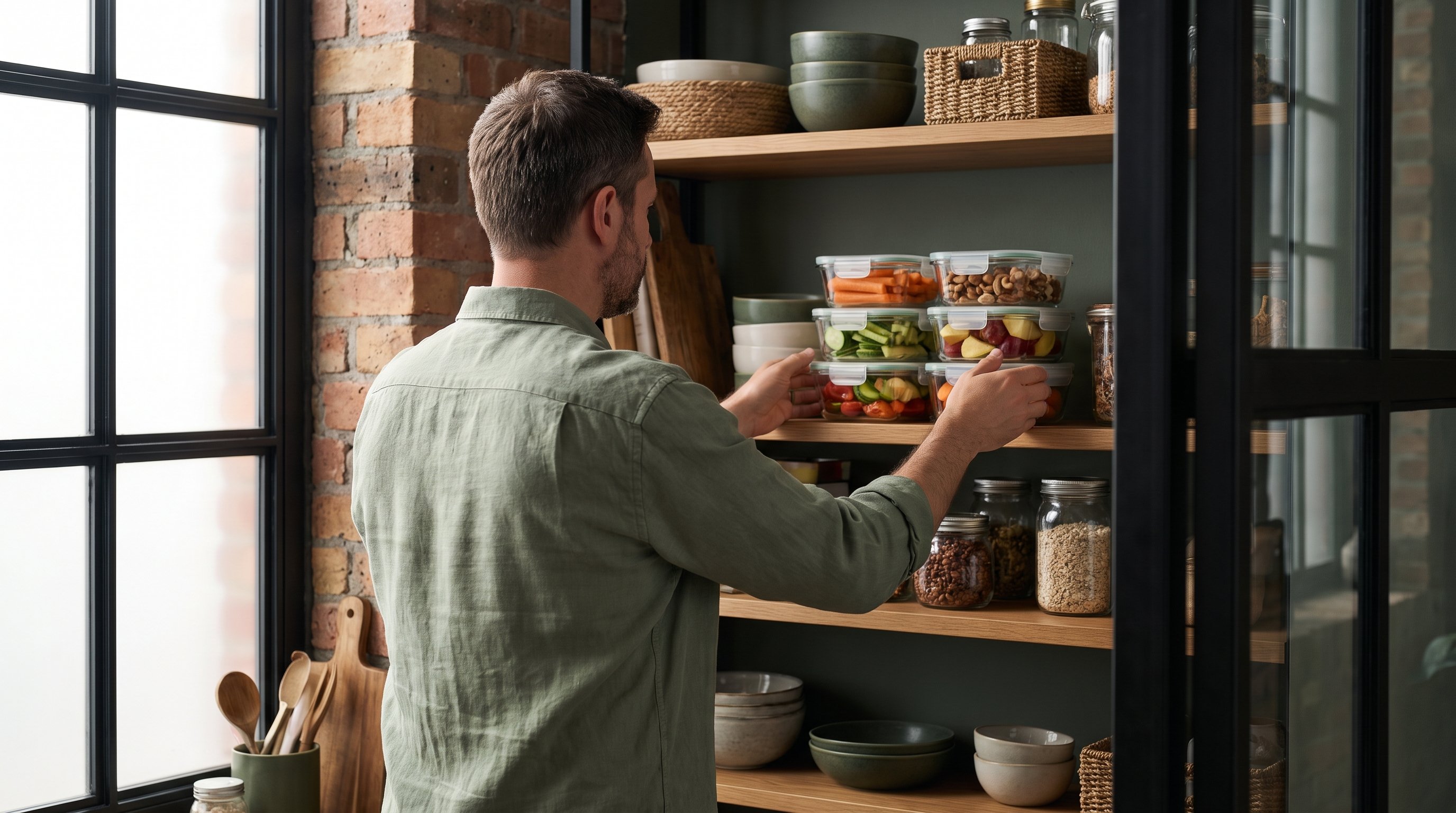
Batch-prep on a day off, boil six eggs at once, portion yoghurt into containers for the week. The goal is removing every decision from the actual moment you're hungry.
If You're Managing Appetite Changes
Smaller, more frequent protein snacks can work better than three large meals when appetite is already reduced. Cottage cheese or edamame in small portions tend to sit easier than anything heavy.
If You're Often Away From Home
Shelf-stable options like tinned fish, protein bars with a short ingredient list, or roasted chickpeas travel better than anything needing refrigeration. Keep one in a bag so the plan survives a changed schedule.
When Protein Snacking Starts to Feel Normal
The first week or two usually means remembering to pack something, which can feel like extra effort on top of an already full day.
Most people find this is also where it's easiest to quit, before the habit of reaching for yoghurt instead of biscuits has had time to settle in. Stick with it past that point and the planning fades into the background.
Expect the timeline to vary. What matters more than speed is whether the habit is still running on a random Tuesday a few months in, not whether it felt effortless in week one.
Making High Protein Snacks Fit With GLP Diet
Deciding what to snack on every single day is a small decision, but small decisions add up fast when you're making them five or six times daily.
GLP Diet takes some of that load off by building protein-forward snacks into a meal plan tailored for you, so the options are already decided before hunger shows up. Pair that with the progress trackers for water, steps and weight, plus light exercise sessions and nutrition guides written by nutrition experts, and snacking stops being a daily negotiation.
Control Your Appetite
Smarter Weight Loss Plan
Making Protein Snacking a Habit That Sticks
Pick one snack from the table above, keep it stocked, and let it replace whatever you usually reach for when hunger hits mid-afternoon. That's the whole starting move.
If you'd rather not plan every snack from scratch, GLP Diet can handle the planning side while you handle the eating.
FAQ
They help indirectly, by keeping you fuller for longer so you're less likely to overeat at the next meal. No single snack causes weight loss on its own, it's part of a wider eating pattern.
Skipping snacks works for some people but often backfires by making the next meal harder to control. A planned protein snack tends to be easier to stick with than relying on willpower through a long gap.
Batch prep once, on a day off, and most protein snacks keep for several days in the fridge. Boiled eggs, portioned yoghurt and roasted chickpeas all hold up well without daily effort.
Forgetting is normal in the first couple of weeks, which is why having something already packed matters more than remembering in the moment. GLP Diet's meal plan and trackers can prompt snack timing automatically, so it's less reliant on memory.
Share this post