Low Impact Workout: A Practical Guide To Getting Fitter Without Wrecking Your Joints
By:Author:GLP Diet Editorial
Updated on:October 17, 2026
- Building a Routine That Actually Protects Your Joints
- How Many Sessions a Week Is Actually Reasonable
- Fitting Gentle Training Around a Packed Week
- A Four-Stage Plan for Easing Into Low Impact Training
- Where Motivation Tends to Fade After the First Few Weeks
- Mistakes That Quietly Undo a Gentle Routine
- Making Gentle Training Easier With GLP Diet's Tools
- Keeping Gentle Movement Part of Your Week
Gentler movement still builds real fitness, as long as you keep showing up and gradually ask more of your body over time.
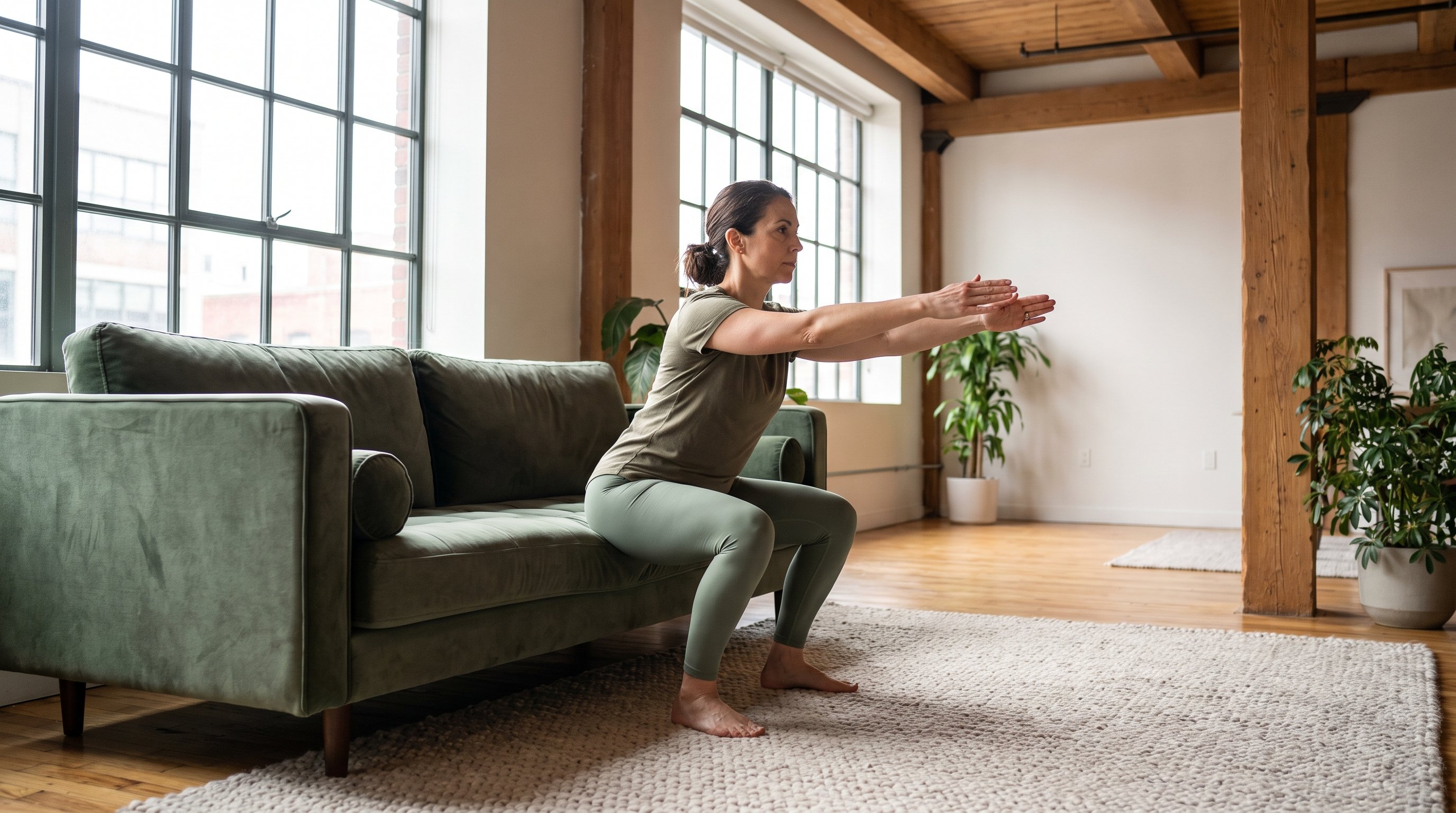
Joints handle repeated force better when at least one foot stays on the ground, which is why walking, cycling, swimming and strength work with controlled tempo tend to feel sustainable where jumping and sprinting don't for everyone.
This guide covers how to start, how often to train, a simple four-stage plan, where people tend to drop off, and how to fit it all around a normal week.
Building a Routine That Actually Protects Your Joints
You don't need special equipment to get this right, just a bit of structure so your body adapts instead of just getting tired.
Steps to Build a Joint-Friendly Routine
- Pick two or three activities you'll actually repeat - cycling, swimming, brisk walking or guided strength sessions all count.
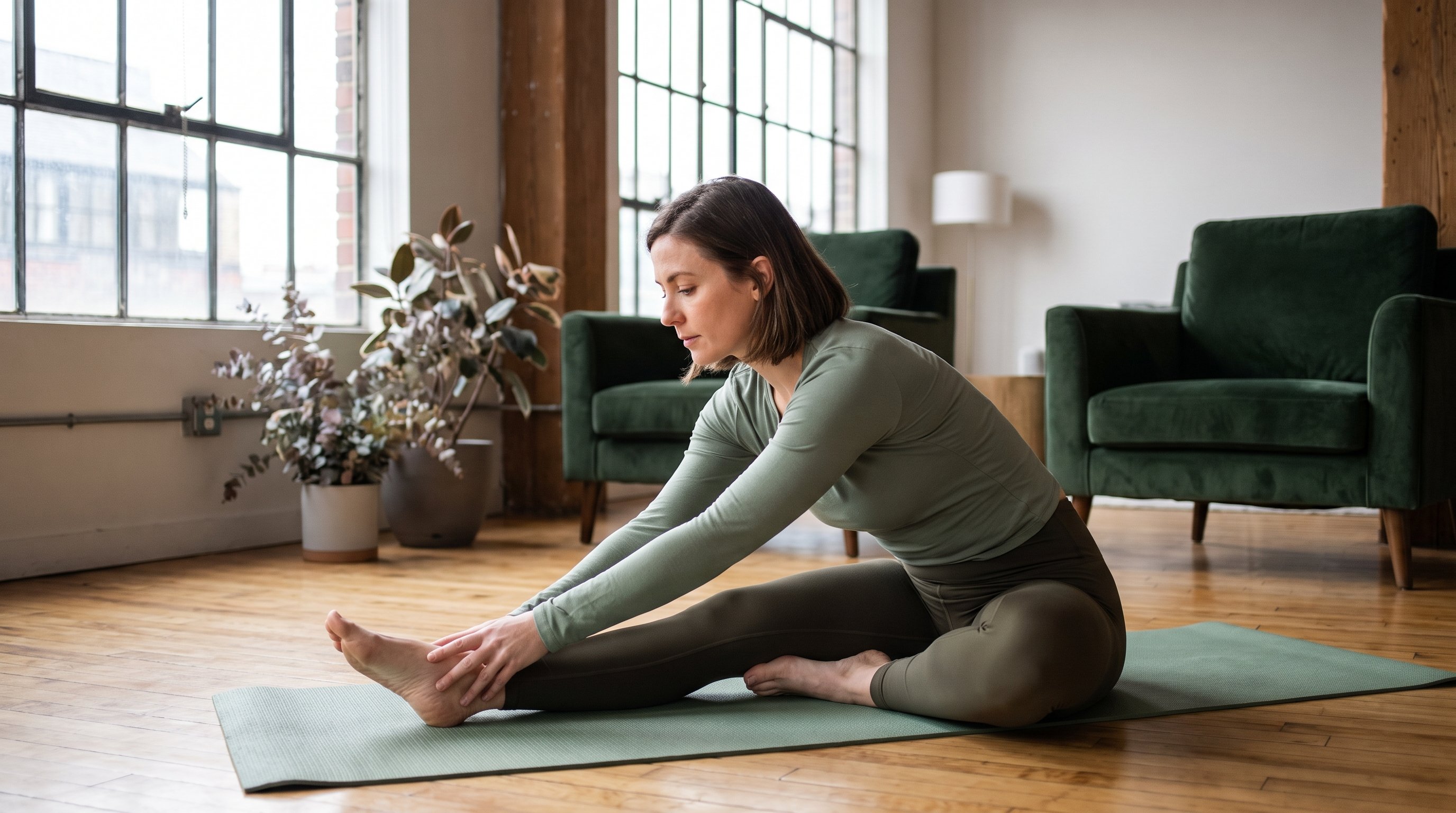
- Warm up for five minutes - gentle mobility work wakes up the muscles around a joint before you load it.
- Start with shorter sessions than feels impressive - twenty minutes done consistently beats an hour done once.
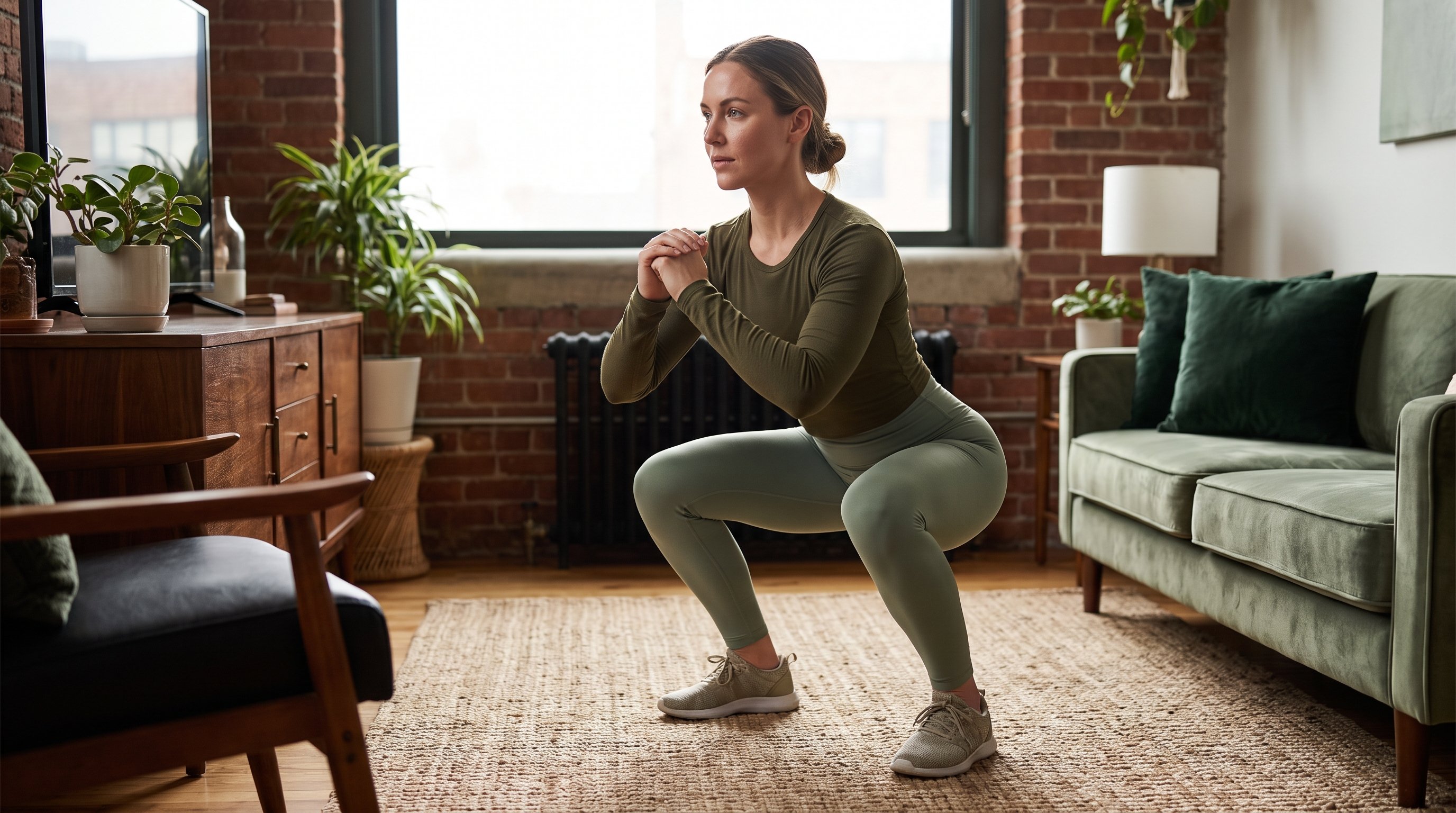
- Add resistance gradually - a band, light dumbbells or bodyweight holds build muscle that supports the joint itself.
- Track one simple number - minutes moved, steps taken or sessions completed, whatever keeps you honest.
- Rest between sessions that work the same area - recovery is when the adaptation actually happens.
- Reassess every few weeks - if a session feels easy, that's the signal to add a little more time or resistance.
How Many Sessions a Week Is Actually Reasonable
A Starting Frequency You Can Hold
Most people can manage gentle sessions most days of the week, since the whole point is that recovery demand stays low.
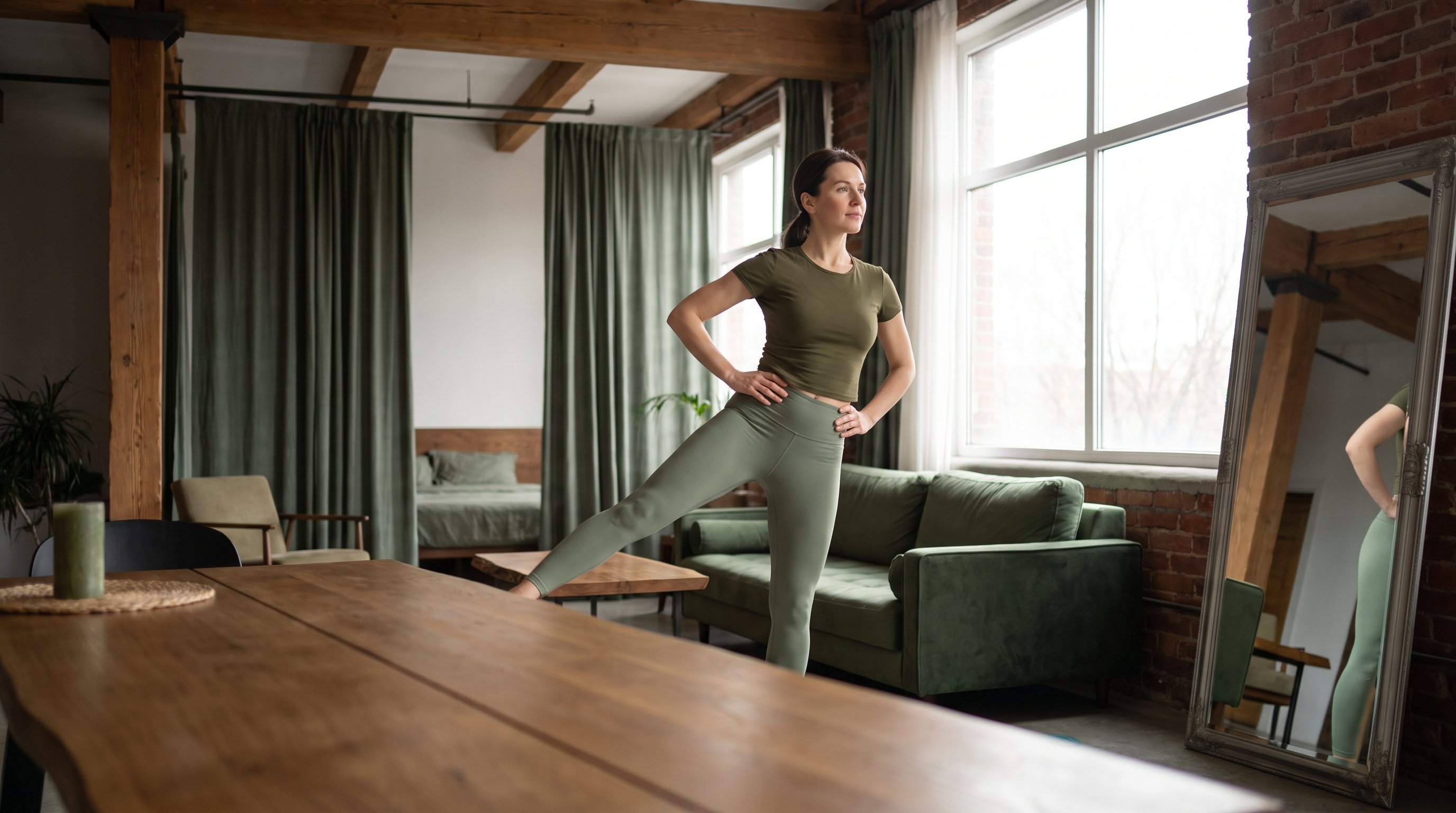
Strength-based sessions with controlled tempo are the exception - those benefit from a rest day between sessions that hit the same muscle group.
| Activity | Frequency | Typical Duration |
|---|---|---|
| Brisk walking | Most days | 20-40 minutes |
| Cycling | 3-5 days a week | 20-45 minutes |
| Swimming | 2-4 days a week | 20-30 minutes |
| Guided strength sessions | 2-3 days a week | 20-35 minutes |
| Mobility or stretching | Daily | 5-10 minutes |
Fitting Gentle Training Around a Packed Week
The honest barrier isn't the exercise itself, it's finding a slot that doesn't feel like one more thing demanding willpower.
Short sessions attached to something you already do - a walk after lunch, stretching while the kettle boils - survive busy weeks far better than sessions that need a dedicated hour.

This is where GLP Diet earns its place, since it packs guided, low-impact exercise sessions alongside a tailored meal plan and a tracker for steps, water and weight, so movement and food sit in one place instead of three.
That matters most on the days when motivation is thin, because the plan is already decided and you just need to press play.
A Four-Stage Plan for Easing Into Low Impact Training
The order here matters more than hitting exact numbers - build the habit first, then the intensity.
| Stage | Focus | What To Do |
|---|---|---|
| Week 1 | Build the habit | Short walks or stretching daily, no pressure on pace |
| Week 2 | Add variety | Introduce cycling or swimming twice this week |
| Week 3 | Add resistance | Bring in guided strength sessions twice this week |
| Week 4 | Extend duration | Stretch your longest session by five to ten minutes |
Where Motivation Tends to Fade After the First Few Weeks
The early weeks usually feel good because everything is new and the sessions are short.
The dip tends to arrive once the novelty wears off and the routine hasn't quite become automatic yet, somewhere in the middle stretch rather than at the very start.
Sessions that are tied to a fixed time of day or stacked onto an existing habit tend to survive that dip better than sessions that depend on finding spare motivation.
Progress during this phase is often less about visible change and more about sessions getting easier to complete, which is worth noticing even when the mirror hasn't moved.
Mistakes That Quietly Undo a Gentle Routine
Treating Every Session As Optional
Gentle doesn't mean skippable - treat the session as a fixed appointment, even a short one, so it doesn't quietly disappear from the week.
Never Adding Resistance or Duration
A routine that never changes stops asking anything new of your body - add a little time, a little resistance, or an extra session every few weeks.
Skipping the Warm-Up
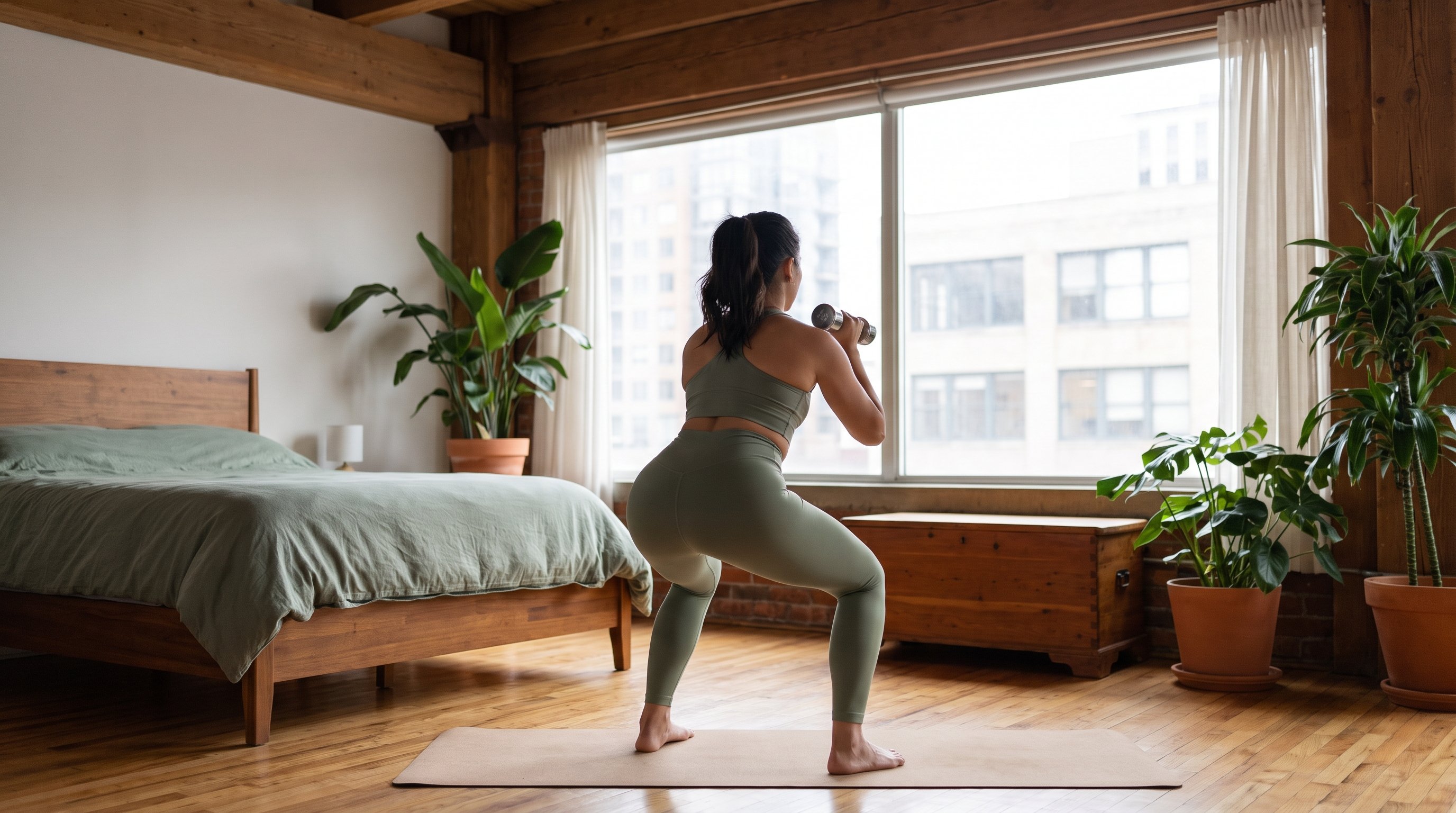
Jumping straight into movement without waking up the muscles around a joint raises the chance of a tweak that sidelines you for a week - five minutes of mobility work first solves this.
Judging It by How Hard It Feels
Gentle sessions aren't supposed to leave you wrecked, so don't mistake a lack of soreness for a lack of progress - consistency is the actual metric here.
Ignoring Food Entirely
Movement alone can't carry the whole plan if meals are an afterthought - pairing sessions with a simple, repeatable way of eating makes the whole thing hold together.
Making Gentle Training Easier With GLP Diet's Tools
Keeping a new routine going is mostly a logistics problem - knowing what to do, when, and whether it's working.
GLP Diet handles that logistics by bundling guided exercise sessions with a tailored meal plan, progress trackers for steps, water and weight, and a rotating set of lifestyle challenges, so you're not juggling separate apps or spreadsheets to keep track of any of it.
The nutrition and workout guides inside the app are written to sit alongside the exercise sessions, giving you one place to check both what to do today and whether this week's eating is lining up with it.
Control Your Appetite
Smarter Weight Loss Plan
Keeping Gentle Movement Part of Your Week
Pick one activity from the table above, put it in your calendar for tomorrow, and treat that slot as fixed rather than flexible.
GLP Diet can sit alongside that routine, pairing the guided sessions with a meal plan and trackers so the movement and the eating side support each other instead of running on separate tracks.
FAQ
Yes - muscle responds to controlled, repeated load regardless of impact, so resistance bands, bodyweight holds and steady cardio all count. The gains tend to arrive more gradually than high-impact training, which suits a routine you plan to keep for a long time.
Difficulty isn't the same as effectiveness - a session that's sustainable and repeated beats a punishing one that gets abandoned after two weeks. Consistency is what adds up over time, not how wrecked you feel afterward.
Sharp or worsening pain is a signal to stop that movement and scale back the range, resistance or duration.
Gentle training is well suited to a smaller appetite, since it doesn't demand the extra fuel that high-intensity training does. GLP Diet is built to sit alongside that kind of routine, pairing guided low-impact sessions with a meal plan designed around a reduced appetite.
Share this post