What to Eat on GLP-1? A Realistic Guide for a Smaller Appetite
By:Author:GLP Diet Editorial
Updated on:October 17, 2026
- Does Eating Differently Actually Matter on GLP-1?
- Protein-First Plates vs Eating Whatever Fits
- Why Simple Swaps Beat Strict Meal Rules
- Adjusting What You Eat for Your Own Situation
- Making Food Choices Easier on a Smaller Appetite
- No, There Is No Food That Boosts GLP-1 Results
- Letting GLP Diet Handle the What-To-Eat Question
- Building Meals That Match Your New Appetite
What to eat on GLP-1 comes down to one shift: fewer calories fit in, so each bite needs to earn its place. Protein, fibre and fluids first, everything else gets squeezed into whatever room is left.
Appetite-reducing medication slows digestion and quiets hunger signals, which means the old habit of grazing through the day on whatever is easy no longer works the same way. A smaller intake has to carry more nutrition per mouthful or energy and nutrient gaps show up fast.
This guide covers how appetite changes affect food choices, a straight comparison of eating styles, who needs to adapt and how, and where a tool built for this situation can help without turning food into one more thing to manage.
Does Eating Differently Actually Matter on GLP-1?
Yes, because the mechanism of appetite suppression changes the maths of eating, not just the amount. If someone eats half as much food as before, that half has to supply nearly all the protein, fibre and micronutrients the full amount used to provide.
The Arithmetic of a Smaller Plate
Say a typical day used to be around 2,000 calories across three meals and two snacks. If appetite drops that to 1,200 calories, there is 800 fewer calories of room, and if those calories came mostly from refined carbs and drinks, the protein and fibre that used to sneak in alongside them disappear too.
That is the honest case for choosing food deliberately rather than just eating less of everything. The same reduced appetite, pointed at protein and vegetables instead of whatever is closest, gives the body what it needs even on a smaller intake.
None of this is about a special food that boosts results. It is about not wasting limited appetite on choices that leave gaps.
Protein-First Plates vs Eating Whatever Fits
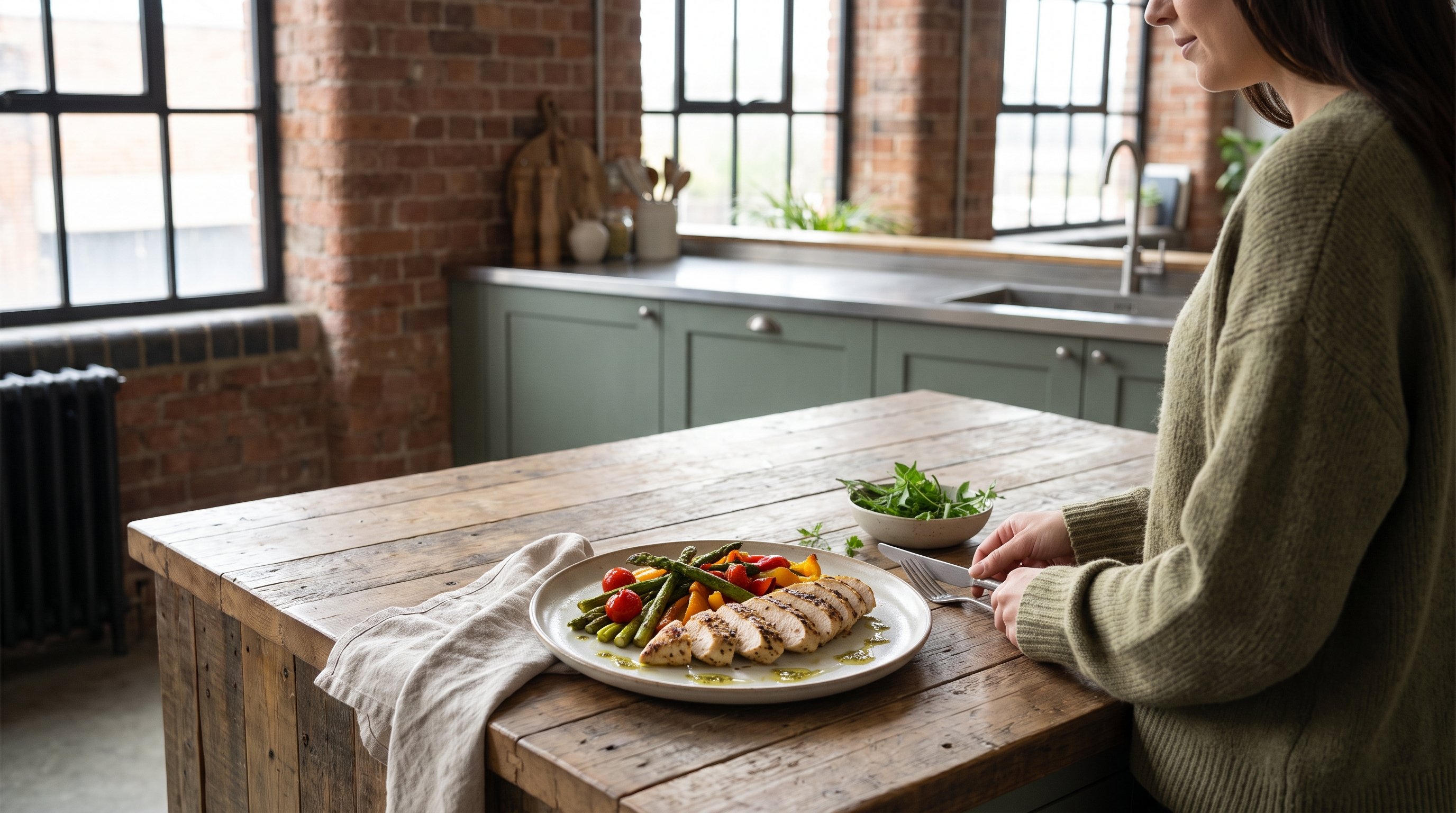
Here is the actual decision most people on GLP-1 medication face: build meals around protein and fibre on purpose, or just eat small portions of whatever was already in the fridge.
| Approach | Fullness | Nutrient Gaps | Effort |
|---|---|---|---|
| Protein-first plate | Lasts several hours | Low risk | Needs some planning |
| Whatever fits | Fades quickly | High risk | No planning needed |
| Mostly liquids/snacks | Short and uneven | High risk | Very low effort |
| Fibre-heavy vegetables added | Steadier, fewer dips | Lower risk | Moderate effort |
| Pre-planned small meals | Consistent through day | Lowest risk | Higher upfront effort |
None of these approaches is dramatic, and that is the point. The difference between them is a handful of small, repeatable choices, not a strict diet.
Why Simple Swaps Beat Strict Meal Rules
The harder alternative is a rigid meal plan with exact portions, timed eating windows and a list of forbidden foods. It looks thorough on paper, but a reduced appetite already makes eating unpredictable, and a strict plan built for a normal appetite will not survive contact with a smaller one.
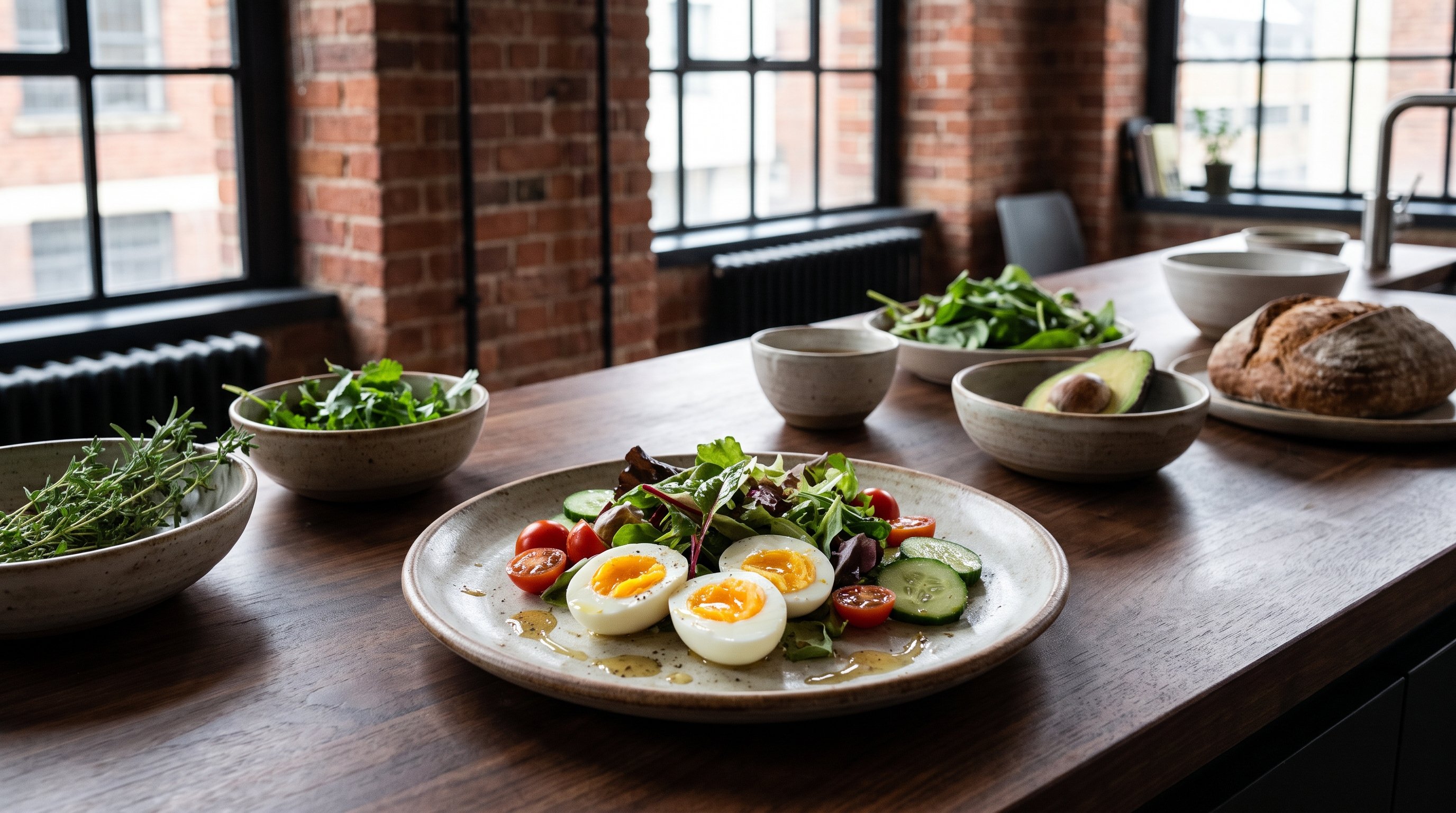
Simple substitution works better: swap the side of fries for extra vegetables, add a spoon of yoghurt or an egg to a small meal, keep protein in reach at home and at work. These are decisions made once that then repeat themselves without needing willpower every time.
Adherence is the whole game here. A plan only works if someone is still following it in a month, and a few reliable swaps beat a detailed rulebook that gets abandoned after a rough week.
Adjusting What You Eat for Your Own Situation
New to GLP-1 Medication
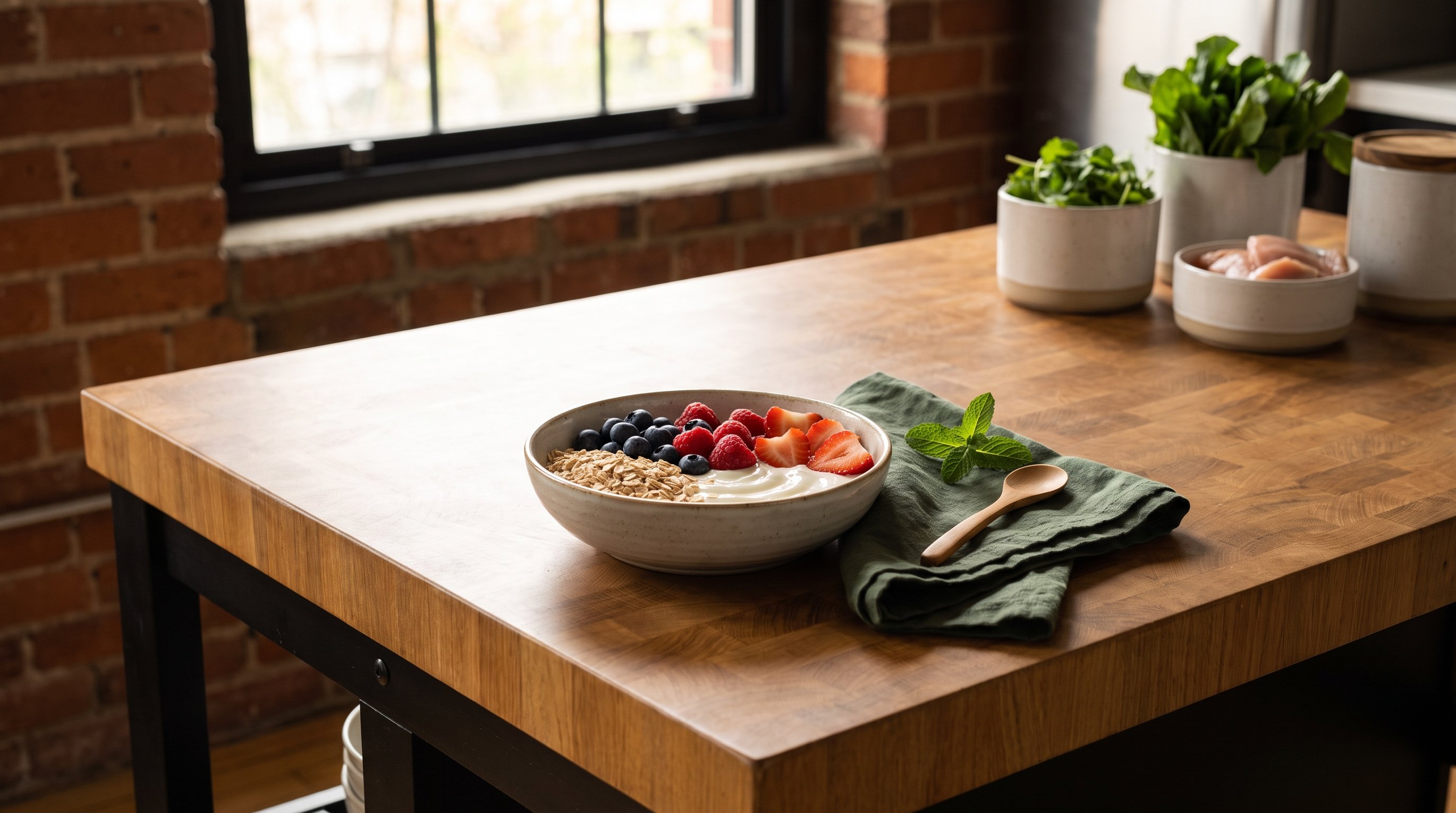
In the early weeks, appetite can drop fast and unpredictably, so small, protein-forward meals spaced through the day tend to sit better than three large ones. Keep easy options like eggs, yoghurt or tinned fish on hand for the days when cooking feels like too much.
Busy Schedules
A smaller appetite does not leave room for skipped meals that turn into low blood sugar and poor choices later. Pre-made protein snacks or a quick high-protein breakfast keep the day covered without needing extra time at the stove.
Older Adults
Appetite loss layered on top of an already smaller natural appetite raises the stakes on nutrient density, since there is even less room for empty calories. Nutrient-dense choices like eggs, fish, beans and dairy matter more here than hitting any particular calorie target.
People Who Dislike Cooking
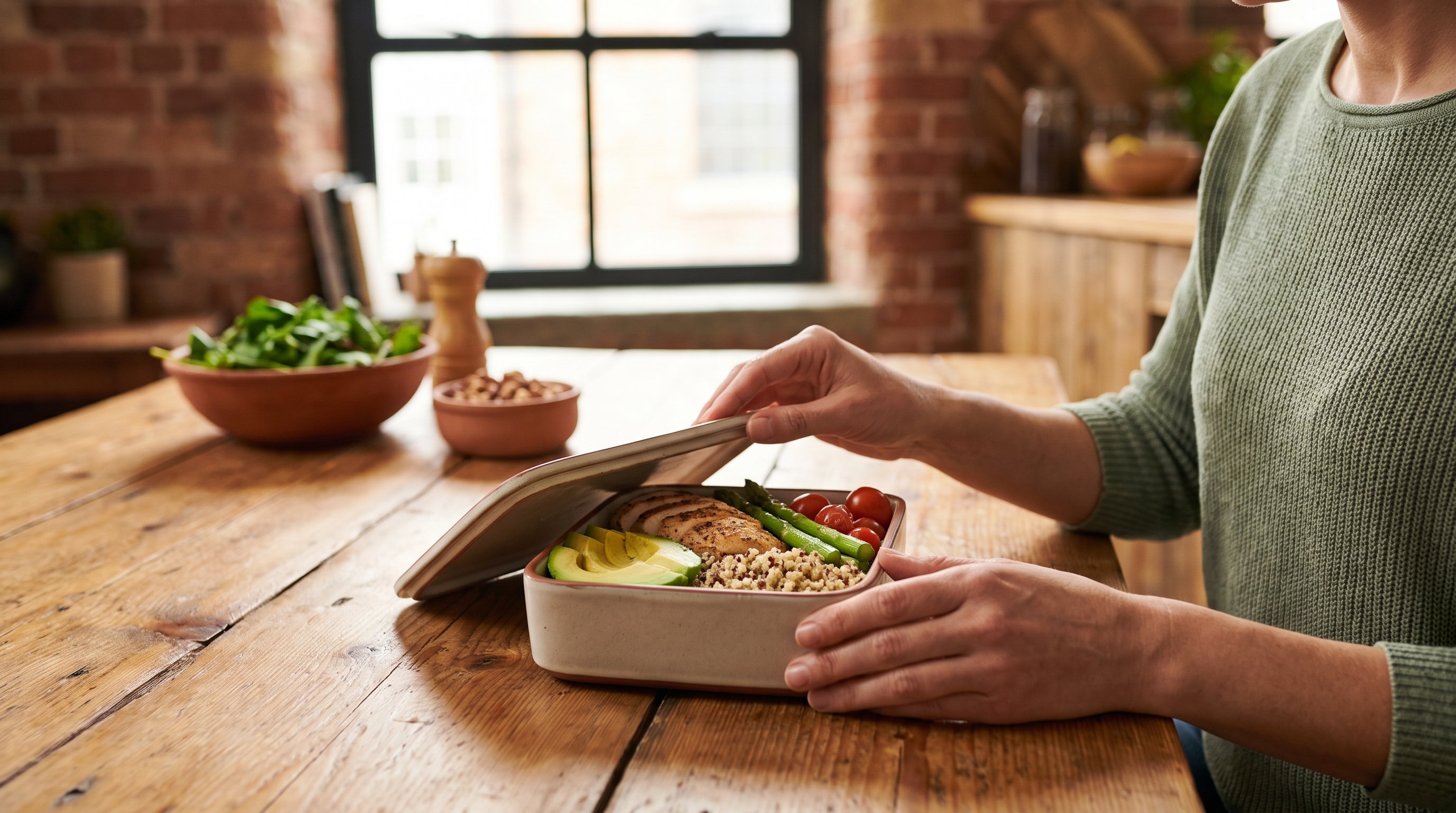
Simple does not mean inadequate. Pre-cooked proteins, bagged salad, tinned beans and frozen vegetables can build a protein-and-fibre plate with almost no prep time.
Making Food Choices Easier on a Smaller Appetite
Reduced appetite is not the hard part. Figuring out what to actually put on the plate, day after day, without repeating the same three meals out of fatigue, is the part that wears people down.
This is where a meal plan built around food someone already likes, rather than a generic list, makes the daily decision smaller. GLP Diet puts together meal suggestions that fit a reduced appetite, alongside trackers for water, weight and steps so the rest of the day's habits do not get neglected while food is being figured out.
None of this replaces appetite or medication. It just removes the blank-page problem of deciding what to eat when hunger cues are quieter than usual.
No, There Is No Food That Boosts GLP-1 Results
It would be convenient if a specific food sped up appetite suppression or targeted a particular area of the body. Neither is true, and any claim promising either should be treated with suspicion.
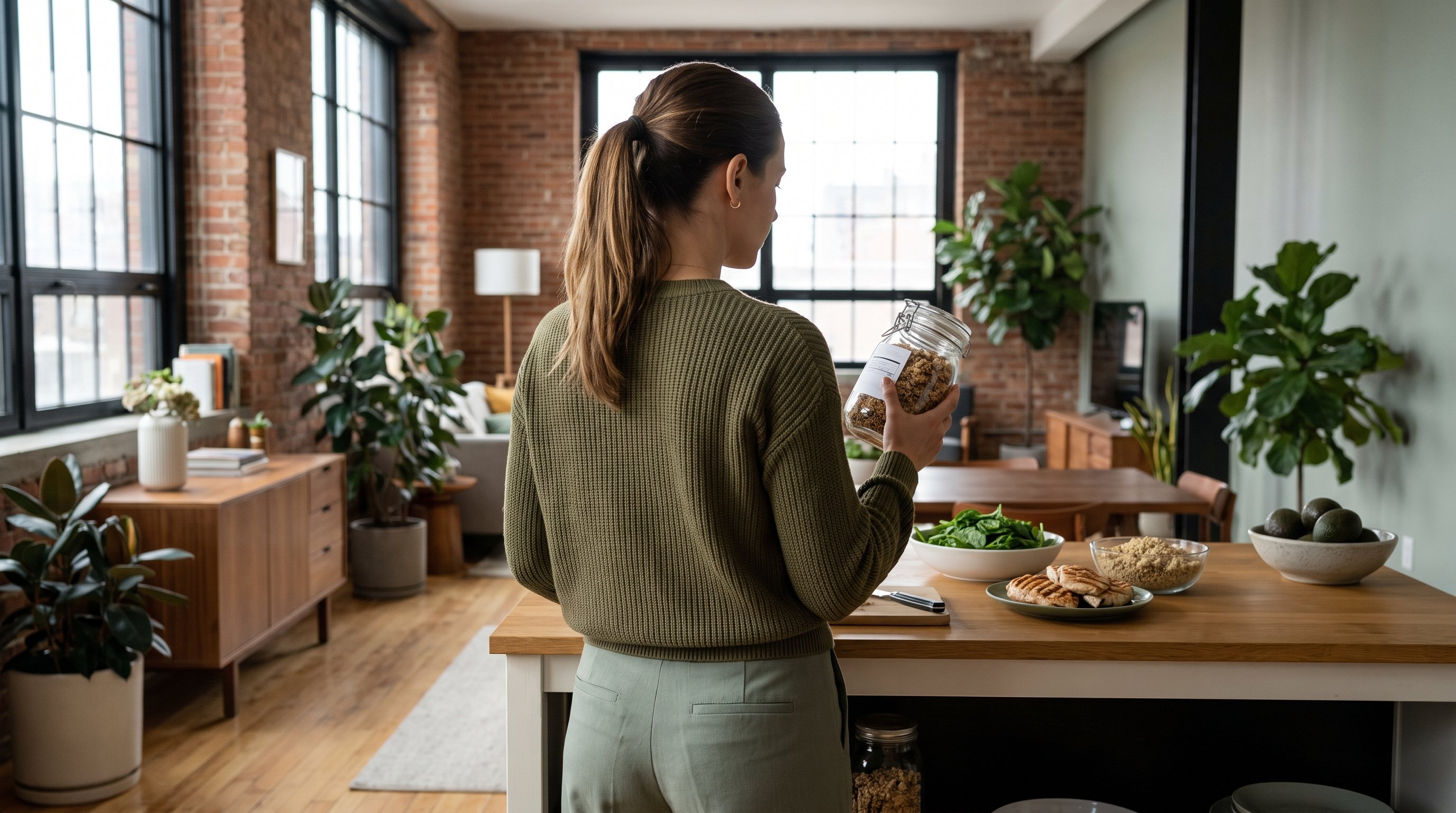
The body does not lose weight from one area on command, no matter the food or supplement involved. What actually helps is unglamorous: enough protein to hold onto muscle, enough fibre to support digestion, and enough variety to avoid nutrient gaps.
The real answer is patience with a plain approach. Consistent, nutrient-dense eating on a smaller plate does the work over time, not any single ingredient.
Letting GLP Diet Handle the What-To-Eat Question
Deciding what to eat three times a day, every day, is a small decision that adds up to real mental load, especially when appetite is already unpredictable.
GLP Diet takes that decision off the table with a meal plan built around food that fits a smaller appetite, plus light exercise sessions, progress tracking for weight, water and steps, and short nutrition guides written for exactly this situation. It is built to sit alongside appetite-reducing medication, not replace it or make promises about it.
Control Your Appetite
Smarter Weight Loss Plan
Building Meals That Match Your New Appetite
The practical move is small: pick one meal today and add a source of protein to it, whether that is eggs, yoghurt, beans or fish. Build from there, meal by meal, rather than trying to overhaul everything at once.
GLP Diet can carry the planning side of that so the only decision left is whether to follow the suggestion or swap it for something similar.
FAQ
Aim for a protein source first, a vegetable or fibre source second, and whatever room is left for carbs or extras. This order matters more than any specific food list, since it protects the nutrients most likely to get crowded out.
A smaller appetite is expected with this medication, but very low intake over time can mean missing out on protein and key nutrients. Prioritising protein and fibre in whatever is eaten helps close that gap without forcing food in.
Simple, low-prep options like eggs, tinned fish, yoghurt or pre-washed vegetables can cover protein and fibre needs with almost no cooking. A meal plan through GLP Diet can also suggest low-effort options on the days energy is short.
Repetition is common when appetite is small and energy for cooking is limited, but it often leads to skipping meals altogether. Rotating a short list of go-to meals, rather than searching for new recipes every day, tends to hold up better long term.
Share this post